
Menopause
Foods to Balance Hormones at Every Life Stage in Montclair, NJ
May 5, 2026 · Julia Erickson
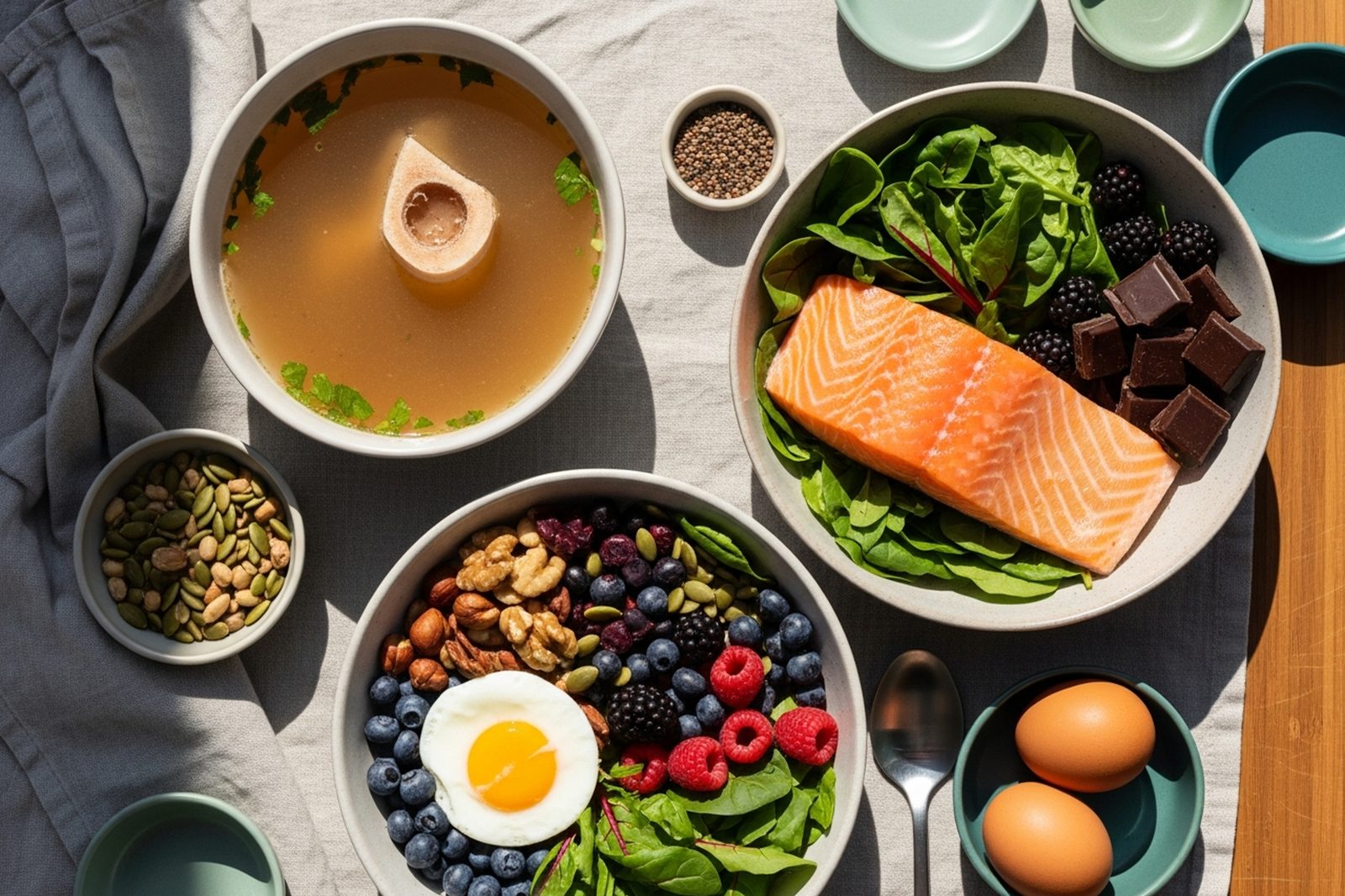
Foods to Balance Hormones at Every Life Stage in Montclair, NJ
Hormones are not a fixed target. They are a moving one. The same foods that serve a 17-year-old establishing her first cycle are not what a woman in her late 40s navigating perimenopause needs most.
One of the most empowering shifts Jolie's clients in Montclair make is moving from a generic "hormone-balancing" list to a stage-specific map of what the body actually needs right now. This post walks through a woman's hormonal life in sequence (from the late teen years through postmenopause) with clear, practical priorities at each stage.
Late Teens and Early 20s: Establishing the Foundation
These are the years when the menstrual cycle is first learning its rhythm. Hormones are ramping up, skin is changing, moods can swing dramatically, and iron losses from a new monthly cycle begin. The nutritional foundation you build here pays dividends for decades.
Iron is the most immediate priority. Menstruation creates monthly blood loss, and iron deficiency is the most common nutritional deficiency in young women worldwide. The most bioavailable sources are red meat one to two times per week and dark leafy greens like spinach and Swiss chard paired with a vitamin C source to maximize absorption. Lentils and legumes round out the plant-based sources well.
Fats for hormone synthesis deserve more attention than they typically get at this age. Cholesterol is the raw material for all steroid hormones, including estrogen and progesterone. This is not the place for fat restriction. Avocado, nuts, extra-virgin olive oil, and whole eggs provide the building blocks the body needs to produce hormones in the first place.
Zinc and magnesium are two minerals that directly support progesterone production and cycle regularity. Zinc is found in pumpkin seeds, cashews, chickpeas, and grass-fed beef. Magnesium (found in dark chocolate with high cacao content, pumpkin seeds, almonds, and dark leafy greens) is also deeply involved in mood regulation and sleep quality. For many young women dealing with PMS, increasing magnesium is one of the first things that produces noticeable results.
Folate should also enter the picture early, not only because it may be needed for a future pregnancy but because it is active in cell division, neurotransmitter production, and red blood cell formation. The best whole-food sources are dark leafy greens (especially romaine, spinach, and asparagus), lentils, and black beans.
Mid-20s: Sustained Energy and Fertility Prep
The mid-20s tend to be a period of high demand: high activity, high stress, and for many women, the beginning of intentional thinking about fertility and long-term health. The hormonal system is mature, but it is also sensitive to the disruptions that come with this life phase: chronic stress, alcohol, poor sleep, and irregular eating.
Choline is one of the most under-discussed nutrients in women's nutrition at this age. It is concentrated in egg yolks and beef liver and is essential for cell membrane integrity, liver function, and fetal brain development if pregnancy follows. Most women do not get anywhere close to the recommended intake through diet alone.
DHA omega-3 from fatty fish two to three times per week supports ovarian health, reduces systemic inflammation that interferes with hormonal signaling, and builds the brain reserves that a future pregnancy will draw on heavily. If you are not eating fatty fish regularly, this is one of the life stages where a quality fish oil supplement makes the most clinical sense.
B vitamins (particularly B6, B12, and folate) work together in the methylation cycle, which regulates estrogen metabolism, neurotransmitter balance, and cellular repair. Whole grains, leafy greens, eggs, and legumes are the best whole-food sources.
Iodine, found in seaweed and nori, supports thyroid hormone synthesis. A small amount of nori once or twice a week is one of the easiest ways to maintain adequate iodine without supplementing.
Late 20s and Early 30s: Fertility Optimization and Blood Sugar Awareness
The late 20s and early 30s are a critical window for laying the groundwork for reproductive health and metabolic resilience. The core priorities (folate, iron, choline, DHA) remain. What shifts is the increasing importance of blood sugar stability. Insulin resistance is one of the most common disruptors of ovulatory function and cycle regularity, developing subtly in this age range from high-glycemic eating, chronic stress, and disrupted sleep.
Protein anchoring every meal paired with fiber-rich vegetables and a quality fat source keeps blood glucose and insulin steady. Reducing alcohol has an outsize effect: even moderate regular drinking affects estrogen clearance, sleep quality, and liver function.
Vitamin D status is worth checking for women thinking about conception. Low vitamin D is associated with impaired follicle development. Most women in northern New Jersey benefit from supplementing, particularly in winter.
Pregnancy: Escalating Demands
Pregnancy is the most nutritionally demanding period in a woman's life. Protein needs increase by roughly 25 grams per day above baseline by the third trimester. Choline becomes even more critical: it is foundational to fetal brain development, and most prenatal vitamins contain well below optimal amounts. Egg yolks remain the most accessible whole-food source.
DHA for fetal brain and eye development is non-negotiable. Fatty fish two to three times per week plus a quality prenatal DHA supplement covers this. Iron, calcium, and folate needs all increase and are typically covered through a quality prenatal vitamin alongside a food-first approach.
Postpartum: Replenishment, Not Restriction
The postpartum period is one of the most nutritionally depleted phases in a woman's life. The body has spent nine months building, then undergone the significant physical event of birth, often with blood loss and ongoing energy demands of milk production. The nutritional priority is replenishment, not restriction.
Warm, cooked foods (soups, stews, bone broth) are easier to digest and deeply nourishing. Bone broth delivers collagen for tissue healing, glycine for sleep support, and minerals in highly bioavailable form.
Iron and B12 need active replenishment after blood loss. Red meat, dark leafy greens, and eggs are the primary whole-food vehicles.
Omega-3 and choline continue to matter deeply during breastfeeding as the infant draws from the mother's stores for brain development. For mothers who are not breastfeeding, these nutrients remain important for postpartum mood stability.
The 30s: Stress Management Becomes a Hormone Strategy
In the mid-to-late 30s, the picture begins to shift. Progesterone levels may start to decline subtly (often earlier than most women expect) and cortisol's relationship with the rest of the hormonal system becomes more apparent. Stress, chronic sleep disruption, and undereating all depress progesterone production and worsen the hormonal cascade downstream.
Protein at every meal is a non-negotiable in this decade. Adequate protein intake maintains muscle, supports liver detox pathways, and provides the amino acids needed for neurotransmitter production that underpins mood and sleep.
Cruciferous vegetables (broccoli, cauliflower, Brussels sprouts, kale, cabbage) remain among the most evidence-supported foods for estrogen metabolism at this stage. The compounds DIM and indole-3-carbinol they contain support the liver's ability to process and clear estrogen efficiently. Eating cruciferous vegetables four to five times per week is one of the highest-leverage dietary habits for women in their 30s.
Ground flaxseed (one to two tablespoons daily) and sesame seeds add phytoestrogenic lignans that help modulate estrogen receptors. These are also the years when good fats from avocado, olive oil, nuts, and fatty fish continue to be essential both for hormone synthesis and for managing the low-grade inflammation that drives so much of the hormonal disruption at this stage.
40s and Perimenopause: Addressing the Transition
Perimenopause typically begins in the early-to-mid 40s, though it can start sooner. Estrogen becomes erratic rather than simply declining. The symptoms (hot flashes, sleep disruption, mood instability, irregular cycles, and weight changes around the middle) reflect this variability.
Phytoestrogens help moderate estrogen fluctuation. Ground flaxseed, sesame seeds, and fermented or minimally processed soy (tofu, tempeh, edamame, miso) are the most practical whole-food sources. These gentle plant compounds interact with estrogen receptors in a way that can buffer some of the effects of estrogen volatility.
Magnesium becomes especially important for sleep in perimenopause. Dark leafy greens, almonds, pumpkin seeds, and dark chocolate all supply it; many women find magnesium glycinate in the evening particularly helpful. Vitamin B6 supports progesterone receptor sensitivity and mood; salmon, chicken, turkey, bananas, and sweet potatoes are good whole-food sources.
Reducing alcohol has an outsize impact here. It disrupts sleep, increases hot flash frequency, and impairs liver estrogen clearance. Even reducing from regular to occasional makes a measurable difference.
Fiber and cruciferous vegetables continue to support estrogen clearance. Blood sugar stability (protein anchoring every meal) becomes more critical than ever as insulin resistance accelerates in perimenopause.
50s and Menopause: Protecting Bone, Brain, and Heart
The decade of menopause brings a new hormonal baseline. Estrogen is now consistently low, and the clinical priorities shift toward protecting the systems that estrogen had previously supported: bone density, cardiovascular health, and cognitive function.
Calcium and vitamin D take on central importance for bone maintenance. The Bone Health and Osteoporosis Foundation recommends that women over 50 consume 1,200 mg of calcium per day from food sources including dairy, canned salmon and sardines with bones, leafy greens like collard greens and kale, and fortified plant milks.
Vitamin D supports calcium absorption and is difficult to obtain in sufficient quantities from food alone in northern climates. A supplement discussion with a practitioner is appropriate at this stage.
Omega-3 fatty acids and olive oil become primary cardiovascular and brain food in this decade. Wild salmon, sardines, mackerel, walnuts, and a daily use of extra-virgin olive oil as the primary cooking fat address the cardiovascular risk that rises sharply post-menopause.
Plant proteins (legumes, nuts, seeds, and whole soy) support cardiovascular health while also delivering fiber and phytoestrogens. Reducing sodium from processed foods helps manage blood pressure, which tends to rise post-menopause. Watching insulin sensitivity through consistent protein anchoring and fiber intake is the metabolic priority.
60s and Beyond: Muscle, Memory, and Longevity
In postmenopause, the nutritional challenge shifts to preservation: maintaining muscle mass, protecting bone, sustaining cognitive sharpness, and managing the metabolic changes that accumulate with age.
Protein requirements actually increase in this decade. While general guidelines often cite 0.8g per kilogram of body weight as adequate, many nutritionists now recommend 1.0 to 1.2g per kilogram for women over 60 to prevent the muscle loss (sarcopenia) that accelerates with age. Eggs, fish, poultry, legumes, and dairy all count. Distributing protein across meals rather than concentrating it in one sitting improves absorption efficiency.
Calcium and vitamin D needs remain elevated. The International Osteoporosis Foundation's nutrition guidance notes that seniors need more protein and vitamin D than younger adults to prevent muscle loss and maintain bone, and that 1,200 mg of calcium daily remains the target for women over 51.
Omega-3 fatty acids continue to protect brain structure and reduce cognitive decline risk. Fatty fish two to three times per week remains one of the most evidence-supported dietary habits for this stage.
Magnesium supports sleep quality and nervous system function, increasingly relevant as sleep becomes lighter and more disrupted with age.
Three Foods to Balance Hormones at Every Stage
Across every life stage, three habits show up as foundational no matter where you are in the hormonal arc.
Blood sugar stability (protein and fiber at every meal) reduces the insulin variability that disrupts hormonal signaling at every stage, from cycle regulation in the teens to hot flash frequency in perimenopause to metabolic health in the 60s.
Fiber and cruciferous vegetables for estrogen detox (supporting the liver and gut in their role of processing and clearing used estrogen) matters from early adulthood through postmenopause.
Omega-3 fatty acids and quality fats (from fatty fish, extra-virgin olive oil, avocado, and nuts) provide the raw material for hormone synthesis, reduce systemic inflammation, and protect brain and cardiovascular health across every decade.
For Jolie's clients in Montclair, the work we do together often starts right here: not with a supplement protocol or a restrictive plan, but with understanding which life stage you are in and what your body actually needs at this moment. If you would like to explore what a stage-specific nutrition approach could look like for you, we would love to connect.
More Hormone-Balancing Guides
For more on hormone-balancing foods by city, read our guides for Jersey City, Princeton, Morristown (hormonal imbalance), Morristown (female hormone foods), and Summit. For a broader Montclair healing foods guide, see our post on The Healing Foods Diet in Montclair, NJ.
Looking for personalized, science-based support in Montclair? Explore Jolie's wellness programs in Northern New Jersey.