Nutrition Food
The Healing Foods Diet: Better Health in Montclair, NJ
June 2, 2026 · Julia Erickson
The Healing Foods Diet: Better Health in Montclair, NJ
The healing foods diet is not a 30-day program or a branded cleanse. It is a specific pattern of eating built around whole foods that have been clinically shown to support the body's ability to repair itself at the tissue, cellular, and systems level. If you are in Montclair or anywhere in Northern NJ and you have been searching for a more intentional approach to what you put on your plate, this is the post for you.
The concept is simpler than it sounds: some foods create the biological conditions for healing. Others actively block it. Once you understand which is which, building a healing plate becomes intuitive rather than complicated.
What "Healing Foods" Actually Means
A healing foods diet is not about restriction or perfection. It is a whole-food, anti-inflammatory pattern that includes foods shown to support four major systems: the gut, the immune system, the musculoskeletal system, and the metabolic and neurological systems.
Foods heal not because of one magic nutrient but because of how compounds work together in whole foods. Polyphenols, omega-3 fatty acids, fiber, collagen precursors, fermentable starches, and phytonutrients all interact with receptors, enzymes, and bacteria in the body to reduce inflammation, stimulate repair, and restore function.
This is the core distinction from a standard healthy diet: a healing foods approach is deliberate about which foods target which biological mechanisms. It is not simply "eating clean." It is eating with intent.
The Healing Foods Diet: 5 Categories That Repair the Body
1. Gut-Healing Foods
The gut lining is one of the fastest-regenerating tissues in the body, and it is also one of the most easily damaged by stress, processed food, and poor sleep. Healing it is foundational to everything else, because a compromised gut lining allows inflammatory compounds to leak into circulation.
Foods that actively support gut repair include:
- Bone broth, which provides collagen, glycine, and proline (the structural proteins the gut lining uses to regenerate)
- Fermented foods such as yogurt, kefir, sauerkraut, kimchi, and miso, which deliver live probiotic cultures that diversify the gut microbiome
- Fiber-rich vegetables such as leeks, asparagus, garlic, and artichokes, which act as prebiotics and feed beneficial bacteria
- Polyphenol-rich foods including berries, dark chocolate, and green tea, which reduce gut inflammation and selectively promote beneficial microbes
The magic of broth cannot be overstated here. A warm cup of bone broth several times a week provides amino acids that no supplement quite replicates.
2. Immune-Modulating Foods
The immune system is not a single organ. It is a network of cells, signaling molecules, and barrier systems. Food influences it at every level.
Key immune-modulating foods:
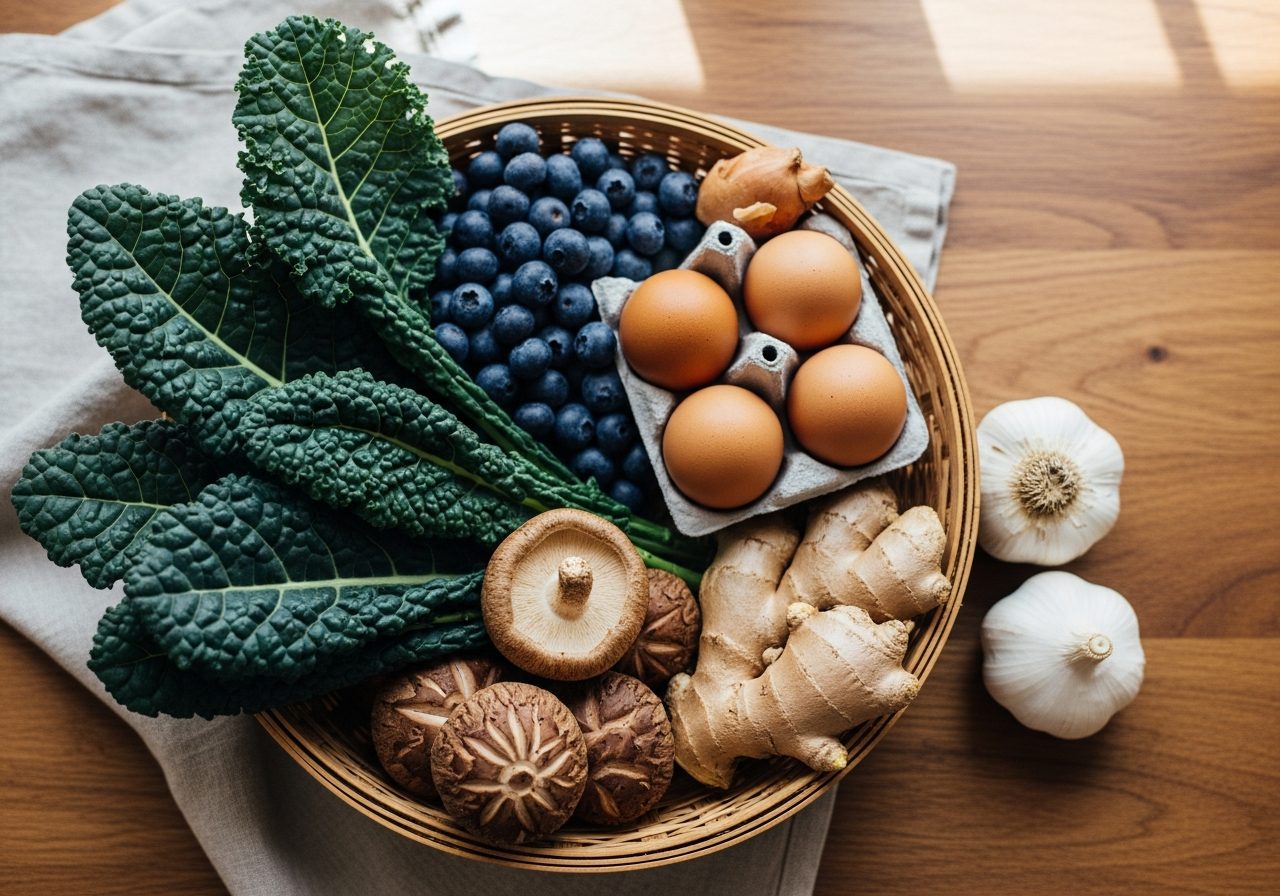
- Mushrooms (shiitake, maitake, and reishi as tea or powder) contain beta-glucans that activate immune surveillance without triggering excess inflammation
- Garlic, whose allicin compounds have been studied extensively for anti-cancer and immune-activating properties. Research from the American Institute for Cancer Research shows that polyphenol-rich plant foods, including garlic and walnuts, reduce oxidative stress and inflammation through multiple biological pathways
- Ginger and turmeric, which inhibit the NF-kB pathway, one of the master switches for inflammatory gene expression
- Citrus zest and leafy greens for folate, vitamin C, and vitamin K
- Oysters and sardines for zinc, which is critical for immune cell production and wound healing
3. Musculoskeletal-Healing Foods
Joints, bones, tendons, and cartilage are the slowest-healing tissues in the body because they have limited blood supply. The right foods accelerate the process significantly.
- Leafy greens supply calcium and vitamin K2 (especially in fermented forms), which direct calcium into bone rather than soft tissue
- Pasture-raised eggs provide vitamin D and choline, both essential for muscle function and tissue repair
- Bone broth provides collagen and glycine, the precursors that connective tissue uses for repair
- Fatty fish such as salmon and sardines supply both vitamin D and long-chain omega-3 fatty acids, which reduce the inflammatory environment around joints and support cartilage synthesis
Leafy greens daily is one of the non-negotiables in this category. Calcium and vitamin K together are a team, and most people underestimate how much greens move the needle on bone density over time.
4. Metabolic-Balancing Foods
Metabolic healing refers to restoring blood sugar regulation, reducing insulin resistance, and supporting the liver and pancreas. Chronic high blood sugar is one of the strongest drivers of systemic inflammation, making metabolic balance central to the healing foods framework.
Foods that directly support metabolic function:
- Cinnamon, which activates GLUT4 receptors and helps cells take up glucose more efficiently
- Apple cider vinegar taken before a high-carbohydrate meal, which blunts the post-meal blood sugar spike through acetic acid's effect on digestive enzymes
- Legumes, oats, and berries, which all score low on the glycemic index and provide resistant starch that ferments in the colon to produce short-chain fatty acids
- Avocado and nuts, which provide healthy monounsaturated and polyunsaturated fats that improve insulin sensitivity and reduce LDL oxidation
The research on good fats consistently shows that fat quality matters far more than fat quantity for metabolic health.
5. Neurocognitive and Mood-Supporting Foods
The brain is approximately 60 percent fat, and its function is exquisitely sensitive to the quality of fat in the diet. The gut-brain axis, via the vagus nerve, means that what happens in the gut directly influences mood, cognition, and nervous system tone.
- Omega-3 sources (fatty fish, walnuts, flaxseed, chia) provide DHA and EPA, the structural fats the brain uses for membrane fluidity and anti-inflammatory signaling
- Eggs supply choline, the precursor to acetylcholine, the neurotransmitter essential for memory and muscle control
- Dark leafy greens provide folate, which is required for the synthesis of serotonin and dopamine
- Fermented foods support the gut-brain axis by producing short-chain fatty acids and neurotransmitter precursors that travel up the vagus nerve
- Berries provide anthocyanins and other cognitive antioxidants that protect neural tissue from oxidative stress
Walnuts deserve a specific mention here: they are the nut with the highest concentration of plant-based omega-3s, and emerging research links regular walnut consumption to reduced inflammation, improved gut microbiome diversity, and a trend toward lower overall cancer risk.
What Actively Blocks Healing
The healing foods diet is not only about what you add. It is equally about what you reduce, because certain foods directly disrupt the biological processes you are trying to support.
- Refined sugar feeds inflammatory bacteria, spikes blood glucose, and impairs immune cell function
- Ultra-processed seed oils (soybean, corn, and canola in their refined forms) are high in omega-6 linoleic acid, which, in excess, competes with omega-3s for the same enzymes and tips the body toward a pro-inflammatory state
- Alcohol in more than minimal amounts disrupts gut lining integrity, burdens the liver, and interferes with sleep quality (most cellular repair happens during sleep)
- Excess refined grain (white bread, white rice, white pasta in large portions) drives rapid blood sugar spikes and offers little of the fiber, phytonutrients, or resistant starch that feed a healthy microbiome
- Conventional industrial meats with heavy preservatives (hot dogs, deli meats, packaged sausages) contain nitrates and advanced glycation end products that contribute to chronic inflammation
The goal is not a perfect diet. The goal is a diet that is predominantly healing, most of the time.
The Daily Plate: A Simple Framework
Whole-food dietary patterns are consistently identified as the most evidence-based approach to reducing systemic inflammation, including the anti-inflammatory diet framework from Johns Hopkins Medicine. The healing foods diet translates those principles into a daily plate:
- Half the plate: non-starchy vegetables and some fruit. Aim for six to eight different plants per day across all meals.
- One quarter of the plate: quality protein (fatty fish, pasture-raised eggs, legumes, or quality poultry)
- One quarter of the plate: whole grain or legume (oats, quinoa, farro, lentils, chickpeas)
- A fermented side: a few forkfuls of sauerkraut, a serving of yogurt, or a small portion of kimchi
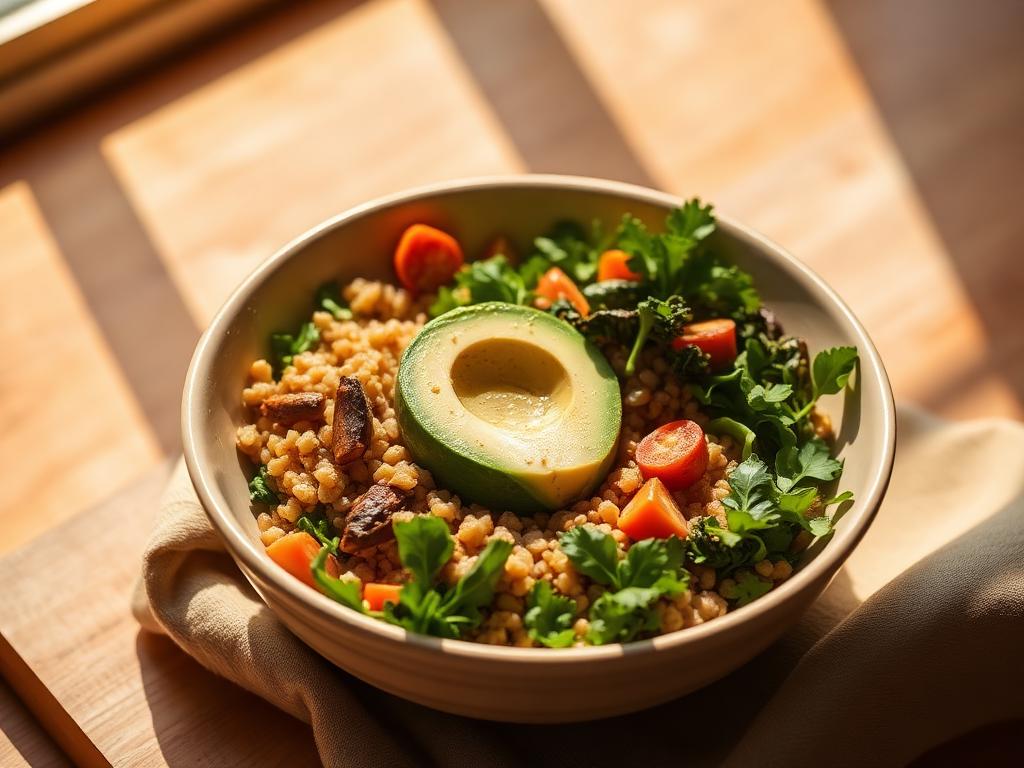
- A healthy fat drizzle: olive oil, a handful of walnuts or seeds, or avocado
This framework works for every meal of the day. It does not require calorie counting, special equipment, or expensive supplements.
Applying This in Montclair
Montclair is a genuinely easy place to eat this way. The Montclair Farmers Market (which runs seasonally in Essex County) is one of the best sources for the seasonal produce that anchors this diet: spring greens, summer berries, autumn squash, and root vegetables that rotate through the year. Buying seasonal produce locally means higher polyphenol content, as these nutrients degrade during long-haul transport.
Montclair also has access to several natural-food grocers where you can find quality protein sources (wild-caught fish, pasture-raised eggs, bone broth), fermented foods with live cultures, and bulk bins for legumes and whole grains. A well-stocked kitchen is the foundation. Spend one hour on Sunday organizing your refrigerator so that healing foods are at eye level and grab-ready.
If you are working through a body reset and want a more structured starting point, the 7-day reset diet plan in Montclair provides a day-by-day meal framework that aligns directly with the healing foods categories above.
Realistic Expectations: Healing Takes Time
One of the most important things to understand about a healing foods diet is the timeline. This is not a 10-day detox. Depending on what you are healing:
- Gut lining repair: 2 to 8 weeks of consistent eating
- Inflammatory markers (CRP, IL-6): noticeable improvement in 4 to 12 weeks
- Joint inflammation and cartilage support: 8 to 16 weeks before significant change
- Metabolic improvements (fasting glucose, insulin sensitivity): 6 to 12 weeks
The body heals in the direction you consistently feed it. One meal does not create disease, and one meal does not cure it. Consistency over weeks and months is what moves the needle.
When Food Is Not Enough
There are medical conditions for which a healing foods diet is supportive but not sufficient: autoimmune disease in active flare, leaky gut with severe permeability issues, serious dysbiosis, metabolic disorders, and anything involving medication management. In those cases, the right support is a trained practitioner who can combine dietary intervention with clinical testing and personalized protocols.
For many people, though, the gap between where their diet is today and where a healing foods diet would take them is significant. The improvements are real, measurable, and worth the effort.
This Is a Lifetime Pattern, Not a 30-Day Fix
The healing foods diet works because it is built around foods that are genuinely good for the body, not because of an extreme protocol. You can eat this way for life without deprivation, without expensive supplements, and without anxiety about occasional exceptions.
To understand the clinical philosophy behind this approach, the post on functional nutrition in Jersey City explains the broader framework of using food to address root causes rather than symptom management. And for a deeper look at the anti-inflammatory side of this pattern, the complete list of anti-inflammatory foods for Morristown is a useful companion reference.
Montclair clients who begin working with Jolie typically describe the shift to a healing foods pattern as the change that made everything else in their wellness journey feel possible. Not because it is magic, but because it gives the body what it actually needs to do its work.
Begin Here to learn how Julia Erickson works with clients across Northern NJ to build a healing foods approach that fits your life.
Looking for personalized, science-based support in Montclair? Explore Jolie's wellness programs in Northern New Jersey.