
Menopause
Foods That Balance Hormones in Females in Morristown, NJ
April 30, 2026 · Julia Erickson
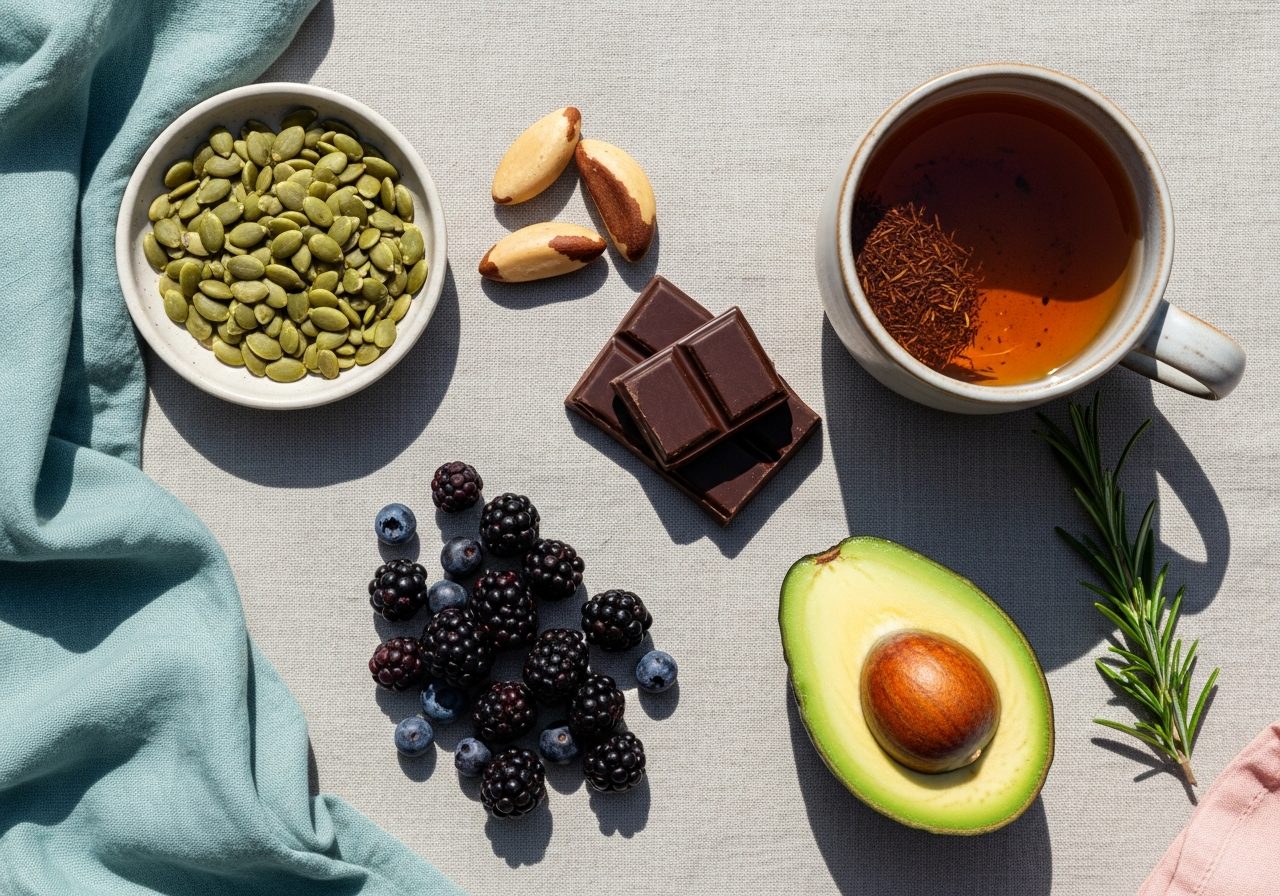
Foods That Balance Hormones in Females in Morristown, NJ
If you have ever typed "foods that balance hormones in females" into a search bar, you know the feeling that follows: a sea of lists, conflicting advice, and generic tips that feel written for no one in particular. What most women actually want is simpler. Tell me what to eat. Make it practical. And please, make it specific to how a female body actually works across different seasons of life.
This is that post. Think of it as the cheat-sheet Julia wishes someone had handed her when she first started exploring functional nutrition. Jolie's clients in Morristown ask versions of this question all the time, and the answer always comes back to the same core idea: the female body has specific nutritional needs that shift across the menstrual cycle, pregnancy, postpartum recovery, and the transition into perimenopause and menopause. Feed those needs, and hormones tend to find their way back toward balance.
Eating Across Your Menstrual Cycle
The menstrual cycle is not one hormonal state. It is two distinct phases, each with different hormonal terrain and different nutritional priorities.
During the follicular phase (roughly days 1 through 14, starting from the first day of your period), estrogen is rising and building toward ovulation. Lighter, fresh foods tend to feel good here. Fermented foods like yogurt, kefir, and kimchi support gut bacteria that help process estrogen. Flaxseeds are especially useful in this phase because their lignans are gentle phytoestrogens that help modulate estrogen receptors without overwhelming them.
During the luteal phase (roughly days 15 through 28), progesterone rises. This is when PMS symptoms, cravings, and mood shifts tend to appear. The nutritional priority shifts to minerals that support progesterone production: zinc (from pumpkin seeds, chickpeas, and cashews), B6 (from salmon, poultry, and bananas), and magnesium (from dark leafy greens, dark chocolate, and almonds). Blood sugar stability becomes especially important in the second half of the cycle. A protein-anchored breakfast and regular meals throughout the day make a significant difference in how the luteal phase actually feels.
Seed cycling is a practice that layers this further: flaxseeds and sesame seeds in the follicular phase, pumpkin seeds and sunflower seeds in the luteal phase. The evidence is still building, but the individual seeds have documented nutritional properties that align well with each phase's hormonal needs.
Foods That Support Estrogen Balance
The female body needs estrogen, and it also needs to clear used estrogen efficiently. Both sides of this equation depend on food.
Phytoestrogens are plant compounds that interact gently with estrogen receptors. The most practical sources are flaxseeds (1-2 tablespoons of ground flax daily is a useful starting point), sesame seeds, and edamame or traditionally prepared soy. There is a lot of noise online about soy being harmful, but the research consistently shows that whole food, fermented, or minimally processed soy (tofu, tempeh, miso, edamame) is fine for most women and may be actively helpful for estrogen balance. Highly processed soy protein isolates are a different conversation.
Cruciferous vegetables deserve a special mention here. Broccoli, cauliflower, Brussels sprouts, kale, and cabbage contain compounds called DIM and indole-3-carbinol that support the liver's ability to process and clear estrogen. Eating cruciferous vegetables four to five times per week is one of the simplest and most evidence-supported things a woman can do for estrogen metabolism.
Foods That Support Progesterone
Progesterone is the hormone that tends to fall first when women are under stress, under-eating, or running low on key minerals. It is also the hormone most responsible for a calm luteal phase, restful sleep in the second half of the cycle, and cycle regularity.
Three nutrients are especially important for progesterone production: zinc, magnesium, and vitamin B6.
Zinc-rich foods include pumpkin seeds (one of the best whole food sources), chickpeas, lentils, cashews, and grass-fed beef. Magnesium is found in dark leafy greens (spinach and Swiss chard are the leaders), almonds, avocado, black beans, and dark chocolate with 80% or more cacao. B6 shows up in salmon, chicken, turkey, bananas, and sweet potatoes. Building meals that include these foods regularly throughout the luteal phase gives the body the raw materials it actually needs.
Thyroid-Supporting Foods
The thyroid is often an overlooked piece of female hormone health, but thyroid function affects every other hormone system in the body. Hypothyroid patterns, even subclinical ones, are far more common in women than men, and they often show up first as fatigue, hair loss, feeling cold, and stubborn weight that will not shift.
Three nutrients stand out for thyroid support. Selenium, found in Brazil nuts (two per day is often cited as sufficient), supports the conversion of T4 to the active thyroid hormone T3. Iodine, found in seaweed, nori, and iodized salt, is needed for thyroid hormone synthesis. Tyrosine, an amino acid found in animal proteins, eggs, and dairy, is one of the building blocks of thyroid hormones themselves.
If you are currently being treated for thyroid disease or taking medication, check with your practitioner before making significant changes to iodine intake.
Adrenal Support: Do Not Undereat
The adrenal glands produce cortisol, the primary stress hormone, and they also make a meaningful contribution to estrogen and progesterone in perimenopause and beyond. When the body perceives chronic stress, whether from life circumstances or from undereating, cortisol stays elevated and sex hormone production gets deprioritized.
The most important nutritional message for adrenal health is: do not chronically undereat. Low-calorie diets, skipped meals, and prolonged intermittent fasting all register as stressors to the hypothalamic-pituitary-adrenal axis and can worsen the hormonal picture for women who are already dealing with fatigue, poor sleep, or cycle irregularity.
Practically, this means including whole-food carbohydrates at most meals (sweet potatoes, oats, rice, quinoa, legumes), enough sodium from quality sources like sea salt and mineral-rich broth, and potassium-rich foods like avocado, bananas, and coconut water to support adrenal function. The good fats that also support steroid hormone production, including olive oil, avocado, and wild salmon, do double duty here.
Foods for Fertility
For women who are trying to conceive, or simply want to support reproductive health, the nutritional focus expands to include a few additional priorities.
Folate (the natural form of folic acid, found in leafy greens, legumes, and liver) is essential for early neural tube development and is needed before pregnancy is confirmed. Choline, found in egg yolks, liver, and salmon, is critical for fetal brain development and is often underprioritized in prenatal nutrition conversations. Iron, particularly heme iron from red meat and dark poultry, supports ovulation and is one of the most common deficiencies in women of reproductive age. Omega-3 fatty acids, especially DHA from fatty fish, support egg quality, embryo development, and later, infant brain development during pregnancy.
Fertility nutrition is not about perfection. It is about consistent nutrient density over months, not days.
Foods for Perimenopause and Hot Flashes
Perimenopause is the transition before menopause, and it is marked by the erratic fluctuation of hormones as the ovaries begin to wind down their reproductive function. The perimenopause transition can begin years before periods stop, and one of the most commonly reported symptoms is hot flashes and night sweats, which research suggests affect up to 80% of women at some point.
Several food strategies can help moderate these symptoms. Phytoestrogens from flaxseed, soy, and sesame may reduce hot flash frequency for some women. Cruciferous vegetables support liver clearance of fluctuating estrogen. Hydration matters more than many women realize: even mild dehydration can worsen the body temperature dysregulation that underlies hot flashes. Alcohol and spicy foods are common hot flash triggers, particularly in perimenopause, and moderating them often makes a noticeable difference.
Calcium and vitamin D become increasingly important through the menopause transition as bone density begins to decline. Dairy, fortified plant milks, sardines with bones, and leafy greens are practical dietary sources of calcium. Spending time outdoors in natural light supports vitamin D production alongside dietary sources.
Foods for Postpartum Recovery
Postpartum is one of the most nutritionally demanding phases of a woman's life. The body has just gone through a significant physical event and is often running on fragmented sleep, which itself is a stressor on the hormonal system.
A few priorities stand out for postpartum recovery. Iron replenishment is important after delivery, particularly after a hemorrhage or significant blood loss. Red meat, lentils, and dark poultry with a vitamin C source to enhance absorption are practical choices. Collagen (from bone broth and slow-cooked meats) supports tissue repair. Omega-3 fatty acids, particularly DHA, continue to matter during breastfeeding because the nursing infant draws heavily on maternal DHA stores. Magnesium supports mood, sleep quality, and nervous system regulation during a period of significant hormonal adjustment.
Many traditional postpartum food practices around the world emphasize warm, cooked foods over raw ones in the weeks after birth. There is practical wisdom in this: cooked foods are generally easier to digest, and the postpartum gut may be more sensitive. A warm bowl of nourishing soup is not just comforting. It is genuinely easier on the body.
Foods and Habits to Limit
Hormone balance is not only about what to add. A few things are worth reducing, at least during periods of active hormonal disruption.
Refined sugar drives blood sugar instability, which elevates cortisol and suppresses progesterone. Excess caffeine, more than one or two cups of coffee daily, can amplify cortisol and disrupt sleep. Alcohol is worth moderating throughout the cycle but becomes particularly problematic in perimenopause, when the liver is already working harder to manage fluctuating estrogen. Even moderate alcohol intake can worsen hot flashes and disrupt sleep architecture. Ultra-processed foods deliver a combination of refined carbohydrates, industrial seed oils, and additives that collectively impair gut function, which matters because the gut's bacterial ecosystem plays a direct role in estrogen metabolism.
The food and mood connection is real: what you eat influences neurotransmitter production, and the hormonal shifts across the cycle, pregnancy, and perimenopause make that connection even more pronounced.
A Note on This Being a Cheat-Sheet
This post is intentionally a quick-reference guide. If you are dealing with specific hormonal symptoms like significant PMS, cycle irregularity, suspected PCOS, thyroid issues, or the full clinical picture of perimenopause, the companion post on a balanced diet for hormonal imbalance goes much deeper into the clinical framework and mechanism behind each food choice. That post is aimed at women already experiencing symptoms and looking for a more detailed protocol.
For the deeper hormonal balance philosophy and how all of this fits into Julia's broader approach to women's wellness, the hormonal balance post is worth exploring alongside this one.
If you are a client in Jersey City or Princeton and want to see how these food principles are framed for different contexts, the hormone posts for Jersey City and Princeton cover related angles and pair well with this one.
Start with What Is Practical
Jolie's approach has always been that the best version of a nutrition change is the one you will actually make. You do not need to implement every section of this post at once. Start with breakfast. Make sure it includes protein and a source of healthy fat. Build from there.
Women in Morristown and throughout Northern NJ navigate busy lives, and the purpose of a cheat-sheet like this is to give you something you can return to again and again as your life stage shifts. Pin it. Screenshot it. Come back to it the next time your body sends you a signal that something is off.
The foods are already out there. You just need a map.
Looking for personalized, science-based support in Morristown? Explore Jolie's wellness programs in Morristown.