Body Image
The Pudgy Stage
October 13, 2026 · Julia Erickson
When I was in seventh or eighth grade, I remember distinctly feeling fat. I remember struggling with my weight. My mom took me to Weight Watchers because I felt I needed to do something—it was me, not her.
Now, as I have raised four girls and watched their bodies change, I look back differently. What I thought needed fixing may simply have been part of growing up.
I call it “the pudgy stage.” It is my way of describing that awkward, sometimes uncomfortable period when your body is changing and does not yet feel familiar. It is not a medical diagnosis, and it is not something every child experiences in the same way.
Puberty, body changes, and the feeling of being “pudgy”
Puberty brings changes in height, shape, and body composition. Those changes happen at different times for different people. There is no single shape a teenager is supposed to have, and no deadline for looking a certain way.
So if you are there, first know this: your body does not need to be wrong for your feelings to be real. You deserve support now—not only after your body changes.
Rather than trying to make your body smaller, think about how to help it feel nourished, strong, and cared for.
Be more active—in a way you enjoy
If you are sporty, join a sport. If you can go to the Y and enjoy it, try that. If you like walking, walk with a friend. Maybe it is dancing in your room or playing outside.
The “what” is less important than finding movement you actually like. You do not need to become a bodybuilder or treat exercise as punishment for eating.
Just move because it can be fun, social, and a way to feel good in your body—not because you have to earn your food or change your shape.
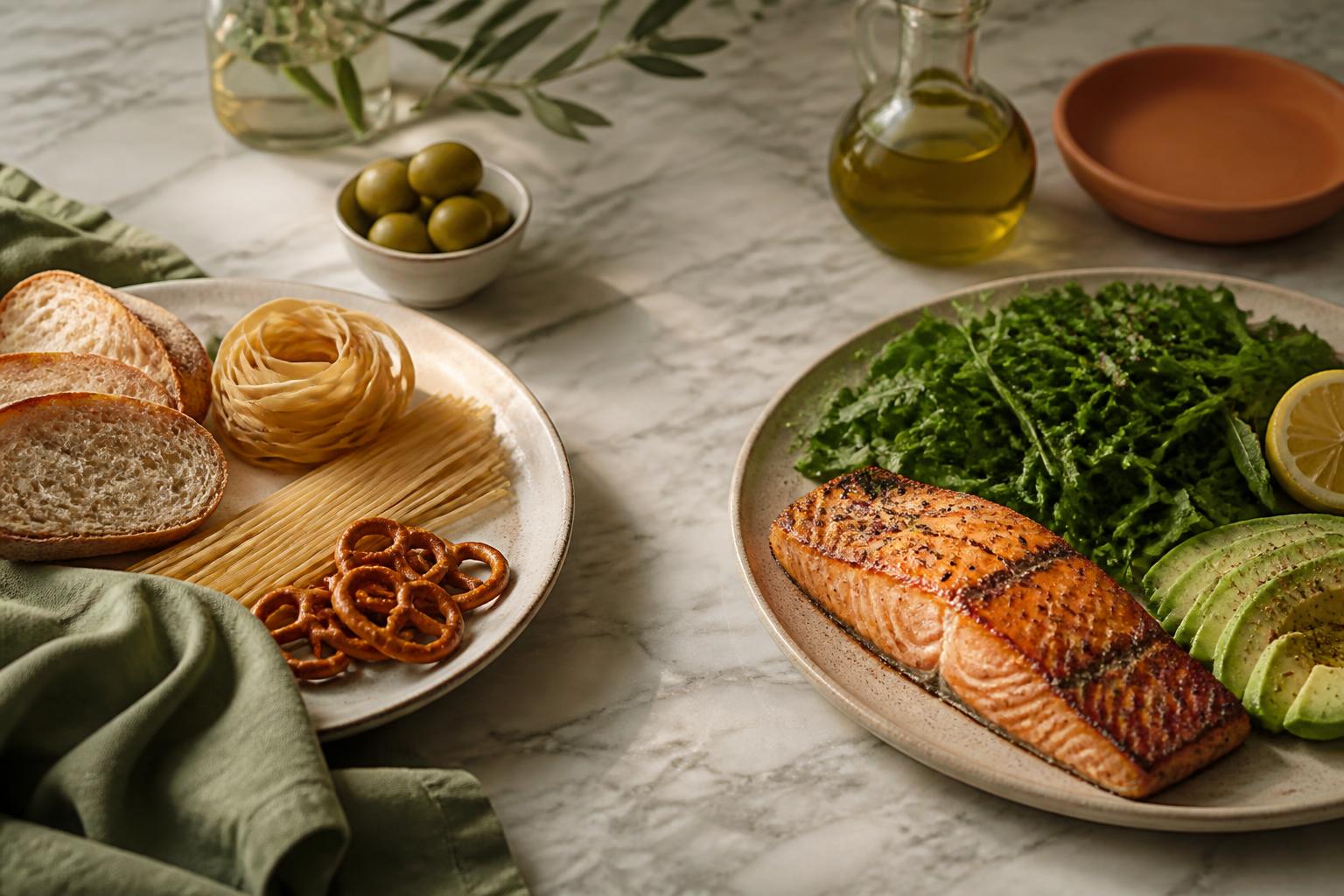
Eat regular, nourishing meals
One helpful place to start is making time for regular meals. Breakfast, lunch, and dinner can give your day a rhythm, with snacks when you are hungry or need extra fuel.
Make those meals real meals—enough to satisfy you. Your body is growing, and growing takes fuel. You do not need to skip meals, fast, or ignore hunger to support your health.
An after-school snack can be part of that rhythm, too. Pay attention to what helps you feel comfortable and energized rather than following rigid rules about when you are allowed to eat.
Choose drinks that help you feel good
Water is a simple everyday choice. If you like bubbles, unsweetened sparkling water can add variety. Milk or a suitable fortified alternative can also fit into your meals.
You can enjoy a favorite sweet drink without making it a daily rule—or making yourself feel guilty about it. This is about building a comfortable routine, not counting every calorie you drink.
Include protein—and keep the whole meal
Try including a protein food with your meals: eggs, beans, lentils, tofu, yogurt, fish, or meat, depending on what you enjoy and how your family eats.
Keep the rest of the meal, too. Fruit, vegetables, grains, and fats belong alongside protein. A growing body needs variety, not a single nutrient or a new diet.
Start with foods you enjoy. You do not need to make every choice perfect.
Yes, you can have something sweet
When you want something sweet, it is okay to have something sweet. You might enjoy it after a meal or at another time that works for you.
There is no need to earn it, compensate for it, or call yourself “bad” for enjoying it. Food can be nourishing and pleasurable at the same time.
Putting it together: support, not a weight-loss plan
Regular meals. Enough food. Drinks you enjoy. Protein as part of varied meals. Movement that feels good. Room for something sweet.
These are ways to care for yourself—not a promise that your body will become smaller or change on a particular schedule.
If you are worried about your growth, your eating, or how you feel about your body, talk with a trusted adult and a pediatrician or a registered dietitian experienced in adolescent care. You do not have to figure it out alone.
To parents: helping a teenager feel at home in their body
Sometimes, as a parent, this is a difficult time. We do not want our child to feel uncomfortable. We want them to feel positive about their body.
But that desire for our kids to feel good can get mixed up with our own body insecurities and judgments.
Here are my two guiding principles.
1. More is caught than taught
How we feed and relate to ourselves is passed on to our kids. They are watching, always.
The best work we can do for them includes the work on how we feed and relate to our own bodies. Try speaking kindly about yourself, sharing meals without moral judgments about food, and showing that movement can be enjoyable.
2. Trust the process—and listen
Growth does not always conform to what you or I think it should look like. Offer support in a positive way, and bring questions about growth or health to your child's pediatrician rather than making appearance the measure of wellbeing.
Never make your daughter's or your son's body wrong—or their feelings wrong. Offer encouragement. Avoid criticism about weight, shape, or size. Praise who they are and what they do, not just how they look.
Body criticism can stay in memory for a very long time. If your own worries are coming up, process them with another adult rather than placing them on your child.
Listen. Hold space. Remind them that they are loved in the body they have today.
This article shares personal reflections and general wellbeing guidance. It is not individualized medical advice or a weight-loss plan for children or teenagers. For concerns about growth, nutrition, or body image, consult a qualified healthcare professional.
For more reflections on food and wellbeing, explore the Jolie Blog and Jolie's philosophy.