
Menopause
The Best Fermented Foods for Gut Health in Chatham, NJ
May 26, 2026 · Julia Erickson
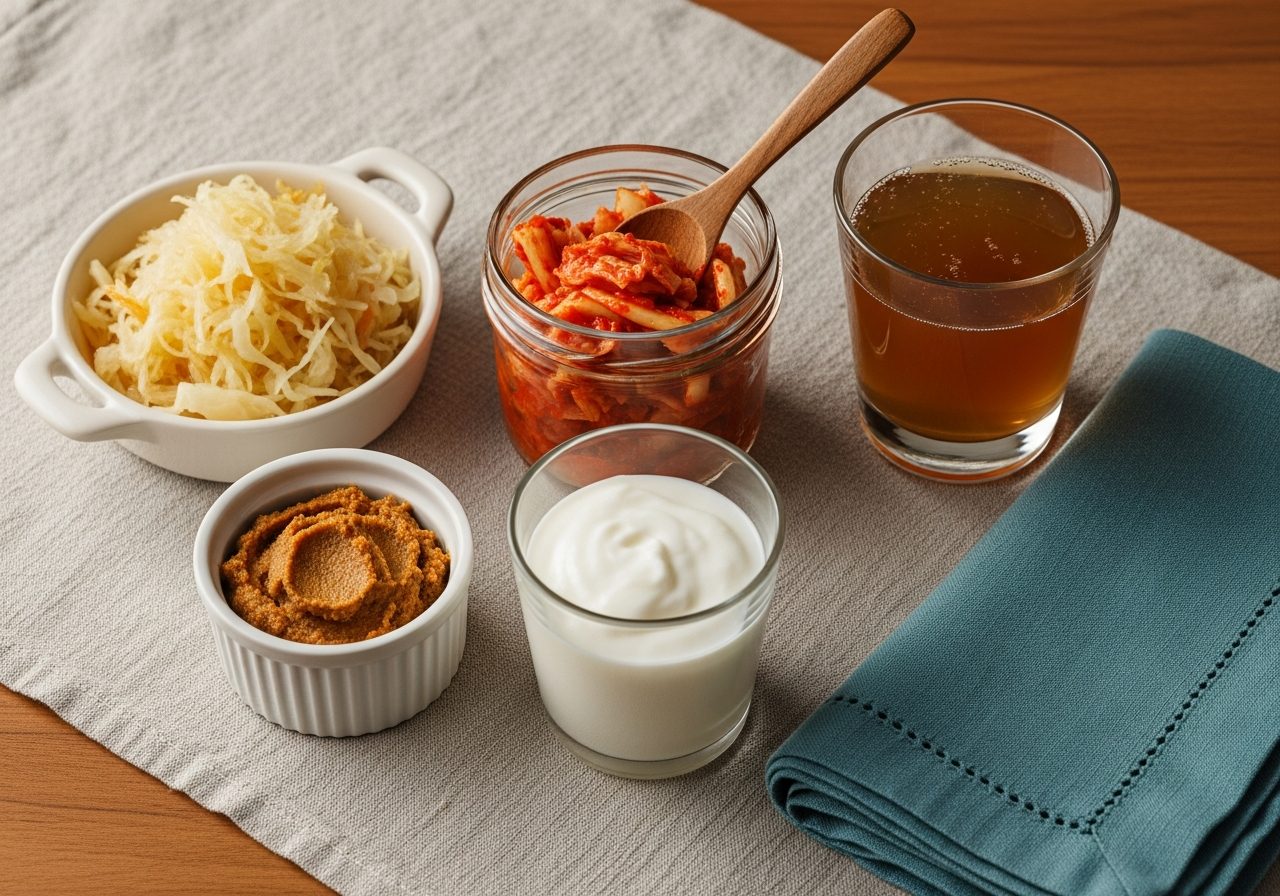
The Best Fermented Foods for Gut Health in Chatham, NJ
Not all fermented foods are equal. Some deliver a broad spectrum of live bacterial strains that genuinely shift your microbiome. Others are pasteurized after fermentation, sugar-loaded, or vinegar-brined shortcuts that offer almost no live cultures at all. If you want the best fermented foods for gut health, you need an opinion, not just a list.
My clients in Chatham ask this question constantly: which ones should I actually buy? This post gives you a ranked answer, most clinically valuable first.
What Makes a Fermented Food "Best" for Gut Health
Before the rankings, here is the framework. A fermented food earns a high place on this list if it:
- Contains live, active cultures that survive to the large intestine (refrigeration matters here)
- Provides strain diversity, not just a single species
- Is minimally processed and free from heat treatment after fermentation
- Has low to no added sugar, which feeds dysbiosis rather than fixing it
- Uses traditional fermentation methods (lacto-fermentation, not vinegar acidification)
Shelf-stable sauerkraut in a can, sweetened kombucha, and most commercial yogurts fail several of these criteria. The refrigerated section is almost always the right place to shop.
The Ranked List
1. Raw Sauerkraut (Refrigerated, Unpasteurized)
Sauerkraut made from lacto-fermented cabbage in salt brine is, by most functional nutrition standards, the gold standard of fermented vegetables. It provides dense Lactobacillus diversity (primarily L. plantarum, L. brevis, and L. curvatus), significant dietary fiber from the cabbage, and a natural source of vitamin C. The fermentation process also makes the cabbage easier to digest than raw.
What to buy: look for refrigerated jars with no vinegar in the ingredients. The label should say "raw," "unpasteurized," or "contains live cultures." Brands like Farmhouse Culture, Wildbrine, and similar small-batch producers are solid. A 2-tablespoon serving is a reasonable starting dose. Work toward 1/4 to 1/2 cup daily over two to four weeks.
What to avoid: any sauerkraut in a shelf-stable can or a non-refrigerated jar. These have been heat-treated and the bacteria are dead.
2. Kimchi (Traditional, Refrigerated)
Kimchi earns the second spot because it does everything sauerkraut does and adds several gut-supportive compounds on top. Traditional kimchi is lacto-fermented cabbage (napa or daikon) seasoned with ginger, garlic, and chili. Those additional ingredients contribute prebiotic fiber, allicin (from garlic, with antimicrobial properties), and capsaicin (from chili, which stimulates gut motility).
Strain profile: L. kimchii, L. sakei, and L. plantarum are the dominant species. The flavor gets sharper as it ages, but so does the microbial complexity.
What to buy: refrigerated, traditionally made kimchi with no added preservatives or sugar. Korean grocery stores in Madison and Florham Park, both close to Chatham, often carry authentic small-batch kimchi that outperforms anything in a standard grocery aisle.
Serving: 2 tablespoons daily, building to 1/2 cup.
3. Plain Kefir (Dairy or Coconut)
Kefir outperforms yogurt in one specific way: strain diversity. A good kefir contains 10-34 distinct bacterial and yeast strains, including the distinctive Lactobacillus kefiri which is rarely found in yogurt products. Those SCOBY-derived yeasts add a broader ecosystem than standard yogurt cultures provide.
Dairy kefir (full-fat, plain, grass-fed when possible) is the clinical choice. Coconut kefir is a reasonable alternative for those avoiding dairy, though the strain count tends to be lower. Avoid flavored kefirs entirely. They are sweetened, and sugar actively undermines the gut-balancing effect you are trying to achieve.
Serving: 4-6 oz daily. Kefir works well in smoothies, as a base for salad dressings, or straight from the glass.
4. Plain Full-Fat Greek Yogurt (Live and Active Cultures)
Greek yogurt is the most accessible entry point on this list, which is also why it places fourth. It works, but the strain diversity is narrower than kefir. The key is choosing a product with a "live and active cultures" seal and no added sugar. Full-fat, organic, and grass-fed raise the nutritional ceiling further.
The primary cultures are Streptococcus thermophilus and Lactobacillus bulgaricus, sometimes supplemented with L. acidophilus and Bifidobacterium. That is a meaningful but limited profile compared to options 1-3.
Serving: 4-6 oz daily. Plain yogurt can double as a sour cream substitute in savory dishes, which makes it easy to use without treating it as a dessert.
5. Miso (Unpasteurized, White, Red, or Barley)
Miso is a fermented soybean paste made using Aspergillus oryzae (koji) mold, which produces a rich array of digestive enzymes and beneficial byproducts. Unpasteurized miso contains live cultures and is a meaningful source of gut-supportive compounds. It also provides small amounts of vitamin K2, B12 (particularly in barley miso), and zinc.
The critical rule: never boil miso. Add it to soups off the heat, dissolve it in warm water, or use it in cold dressings. Heat above 77°C kills the cultures. Traditional white miso (shiro miso) has the mildest flavor and is the easiest to work into a daily routine.
What to buy: look for unpasteurized miso in the refrigerated section. South River Miso and Miso Master are two of the most widely available reputable brands.
Serving: 1 tablespoon daily, stirred into warm broth or dressing.
6. Natto
Natto is the most potent fermented food on this list and also the most acquired taste. It is fermented soybeans inoculated with Bacillus subtilis var. natto, a strain found almost exclusively in this food. B. subtilis natto is a spore-forming probiotic that survives passage through the gut more reliably than many Lactobacillus strains. Natto is also the highest dietary source of vitamin K2 (MK-7), which plays a role in calcium metabolism and cardiovascular health.
If you have never tried natto, start small and be patient with the sticky, pungent texture. Serve it over rice with a little mustard and soy sauce, which is the traditional Japanese approach. Frozen natto from Japanese grocery stores retains its live cultures after thawing.
Serving: 1 tablespoon to start, working up to a full serving (about 50g) three to four times per week.
7. Kombucha (Raw, Low-Sugar)
Kombucha is a SCOBY-fermented sweetened tea that contains a mixture of beneficial bacteria and yeasts. It is on this list, but with caveats. The gut benefit is real but modest compared to options 1-6. More importantly, sugar content varies enormously between brands: some "raw" kombuchas contain 10-14g of sugar per 8 oz serving, which is too high for anyone working on gut repair or blood sugar stability.
What to buy: look for kombuchas with fewer than 4g of sugar per 8 oz serving. GT's Raw Original and brands labeled "hard dry" or "low sugar" are better choices. If yeast overgrowth is part of your picture, kombucha can sometimes aggravate symptoms and is worth putting on hold.
Serving: 4 oz daily with a meal. This is not a beverage to drink freely by the bottle.
8. Tempeh
Tempeh is fermented soybeans bound by Rhizopus mold into a dense cake. It is technically fermented, but most commercial tempeh is pasteurized after fermentation, meaning the live cultures are largely inactive by the time you eat it. The gut benefit here is primarily fiber and resistant starch (both prebiotic), along with complete plant protein. It is an excellent food, but it belongs to the gut health conversation for different reasons than the items above.
Lightly pan-searing tempeh from the refrigerated section (not the frozen aisle) gives you the best flavor and some residual microbial activity if unpasteurized.
Serving: 3-4 oz serving two to three times per week as a protein source.
9. Fermented Pickles (Brine-Fermented, Not Vinegar)
The pickles most people buy are not fermented. They are cucumbers preserved in vinegar brine, which is a different process entirely and contains no live cultures. Lacto-fermented pickles are made in salt water, not vinegar, and carry a meaningful population of Lactobacillus strains.
Read the label: if it contains vinegar, it is not a live fermented product. Look for refrigerated pickles labeled "naturally fermented" or "raw." Bubbies brand is one of the most widely available and genuinely lacto-fermented options. Whole Foods Market locations in Summit, a short drive from Chatham, typically carry them.
Serving: 1-2 spears or 2-3 tablespoon of relish daily.
10. Water Kefir
Water kefir is a dairy-free fermented drink made by fermenting sugar water or coconut water with water kefir grains (a different SCOBY than milk kefir grains). It provides a range of Lactobacillus and Leuconostoc strains along with beneficial yeasts. The strain diversity is lower than dairy kefir but still meaningful, and it is genuinely useful for clients who cannot or choose not to eat dairy.
Commercially available water kefir is less common than dairy kefir, but Kevita and similar brands carry sparkling probiotic drinks that are close relatives. Homemade water kefir from starter grains is the most nutritionally consistent option.
Serving: 4-6 oz daily.
What to Avoid That Is Labeled "Fermented"
These products trade on the fermented food conversation without delivering the clinical benefit:
- Shelf-stable sauerkraut in a can or unrefrigerated jar: pasteurized, zero live cultures
- Commercial sweetened yogurt: high sugar content and minimal culture diversity undermine the benefit
- Vinegar pickles and vinegar-brined vegetables: not lacto-fermented, no live cultures
- Sweetened kombucha (over 8g sugar per serving): counterproductive for gut repair
- Gochujang (most commercial versions): fermented at the paste stage but pasteurized at scale
The probiotic supplement industry has complicated this conversation further by conflating live cultured foods with capsule probiotics. The whole-food versions above offer a matrix of fiber, bioactive compounds, and live organisms that supplements cannot fully replicate.
How Much to Eat Per Day
Start low. One or two tablespoons of a fermented vegetable, or 4 oz of kefir or yogurt, is an appropriate starting dose for anyone new to these foods or coming off a period of poor gut health. Over two to four weeks, build toward a small serving of one to two fermented foods daily.
Some people experience bloating, loose stools, or increased gas in the first week. This is common and usually resolves as the microbiome adjusts. If symptoms persist beyond two weeks, or if you know you have histamine sensitivity or SIBO, work with a practitioner before loading up on fermented foods, particularly aged and long-fermented varieties which tend to be higher in histamine.
Going into a cleanse or reset period? The detox and cleanse diet plan covers how to incorporate gut-supportive foods during a structured protocol, which is a natural next step once fermented foods are part of your daily rhythm. If you are earlier in the process and want to understand the broader category before getting this specific, Fermented Foods for Gut Health: A Beginner's Guide covers the foundational science, and the probiotic foods deep-dive goes deeper on strain specificity, CFU counts, and the difference between fermented foods and probiotic supplements.
The science behind why these foods work comes down to what the Gut Microbiota for Health experts describe as a multi-component effect: it is not just live bacteria, but the prebiotics, postbiotics, and bioactive compounds produced during fermentation that collectively support a resilient microbiome.
The British Dietetic Association similarly notes that these foods may improve the diversity of your gut microbiome and reduce systemic inflammation when eaten consistently.
The Bottom Line
If you are in Chatham and you are serious about gut health, start with raw sauerkraut or kefir from the refrigerated section of a quality grocer, add one more fermented food every two weeks, and build a rotation rather than a fixation on a single product. Diversity across the list matters more than large quantities of one item. Your microbiome is a complex ecosystem: feed it a range of things, not just one thing at a high dose.
Begin Here.
Looking for personalized, science-based support in Chatham? Explore Jolie's wellness programs in Northern New Jersey.