Detox Cleansing
How to Follow a Detox and Cleanse Diet Plan in Chatham, NJ
May 12, 2026 · Julia Erickson
If you've decided you want to do a cleanse and you're ready to actually do it, this post is for you. Jolie's clients in Chatham bring this question up regularly: not whether they should cleanse, but how to do it in a way that works. A detox and cleanse diet plan sounds straightforward until you're two days in with a headache and no idea whether that's normal or a sign you're doing something wrong.
Here is the plan, phase by phase.
If you're still deciding whether a cleanse is even right for you, my piece on what actually works for juice cleanses in Morristown lays out the science and risks: juice cleanse and detox diet. This post picks up where that one ends.
How Long Should Your Detox and Cleanse Diet Plan Be?
Before you start, decide on the right length. The duration shapes everything else: what you eat, what to expect, and how to recover.
- 24 hours: A good entry point. You get the pattern interrupt without significant calorie restriction or withdrawal. Perfect if you've never cleansed, or if you're coming off a hard week rather than a sustained period of poor eating. A soup cleanse or juice cleanse both work at this length.
- 3 days: The standard. Enough time to clear the digestive system, reduce sugar cravings noticeably, and shift your relationship with food. Expect mild symptoms (headache, fatigue) in the first 24-36 hours that ease significantly by day two.
- 5 days: Only if you've done 3-day cleanses comfortably before. At this length, calorie adequacy and protein matter more, so including broths, nut milks, or light steamed vegetables alongside juices is not optional.
Longer is not better. The research-supported window for a gut rest protocol tops out at three to five days. Beyond that, benefits plateau and risks (muscle catabolism, electrolyte depletion) climb.
The Week Before: Prepare Your Body
Most people skip this step and then wonder why day one is brutal. Preparation isn't optional. It's what separates a cleanse that works from one that produces three days of misery.
Starting seven days before your cleanse date:
Reduce caffeine gradually. If you drink two cups of coffee a day, drop to one and a half in the first three days, then one, then half. Going to zero suddenly on day one of the cleanse produces a withdrawal headache that sits on top of the adjustment headache. They stack, and it's unpleasant.
Eliminate alcohol entirely in the five days before. The liver is doing the heavy lifting during a cleanse. Alcohol is not a warm-up.
Simplify your meals. Shift toward whole plant foods: soups, steamed vegetables, salads, cooked grains. This isn't the cleanse itself, it's a ramp down from your regular diet so the transition is less abrupt. Your digestive system starts shifting before you ask it to go fully quiet.
Increase water intake. Aim for at least two liters a day in the lead-up, with electrolytes if you're active or it's warm. Hydration is foundational to the whole process, and proper electrolyte balance matters more than most people realize.
Cut refined sugar and processed food. This is the most important preparation step. Sugar cravings amplify on day one of a cleanse if you were eating sugar heavily the week before. Give your blood sugar time to stabilize before you ask it to do more.
Mental preparation matters too. Decide on your length and your start date. Clear your social calendar for the first two days if you can. Telling yourself "I'm doing this for three days starting Monday" is different from starting and stopping vaguely.
Days 1 Through 3 (or Your Chosen Duration): The Cleanse Itself
Your cleanse window should include a specific daily structure. Here is what works:
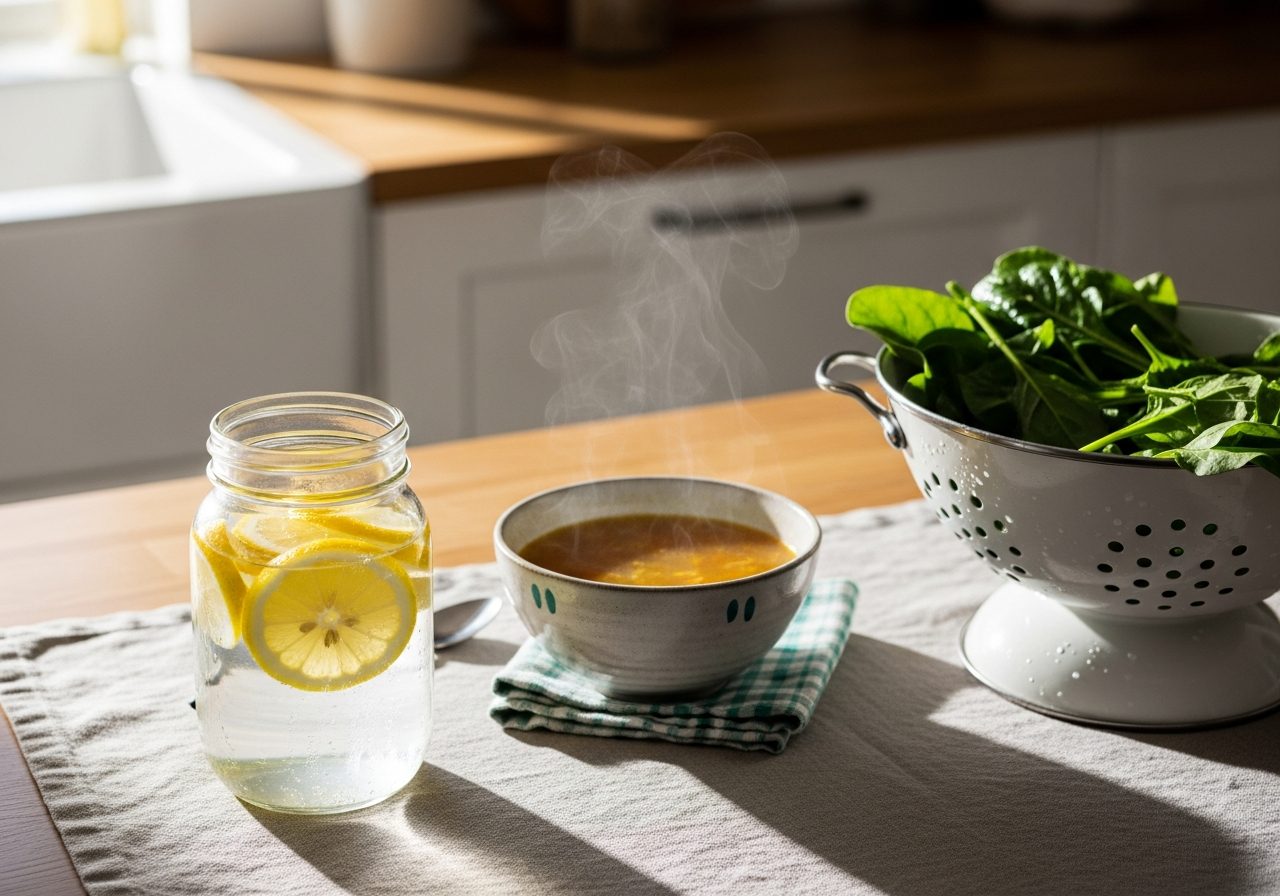
Morning: 16-24 oz of warm lemon water before anything else. Not cold, warm. The warmth supports digestion even when you're resting it.
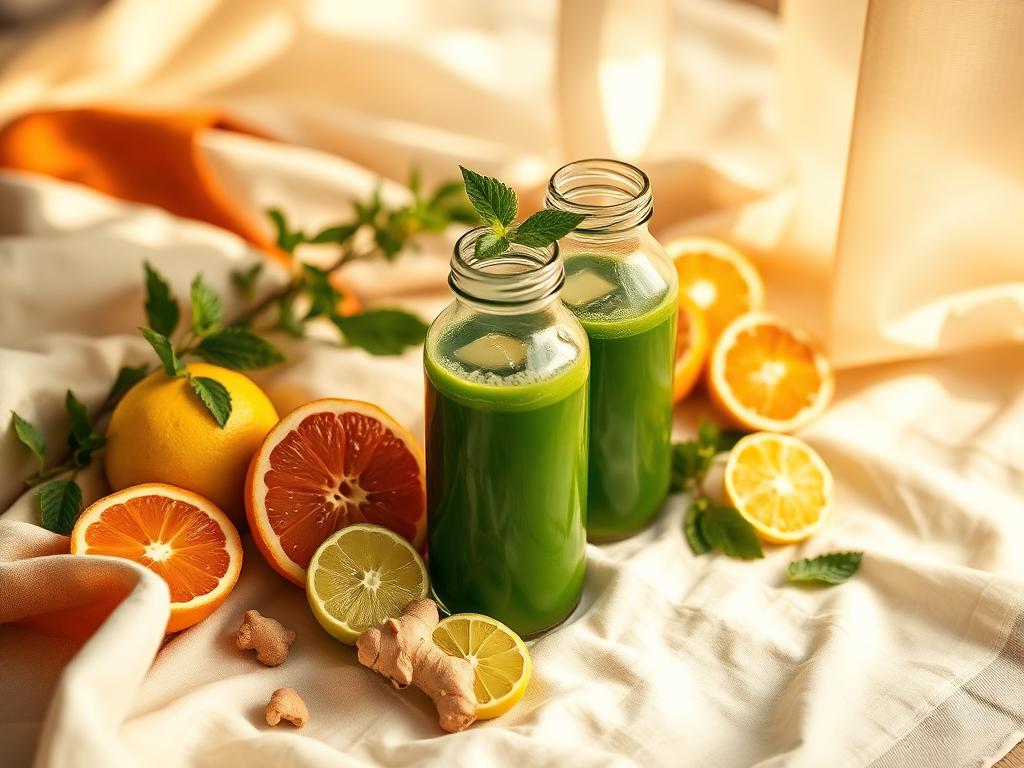
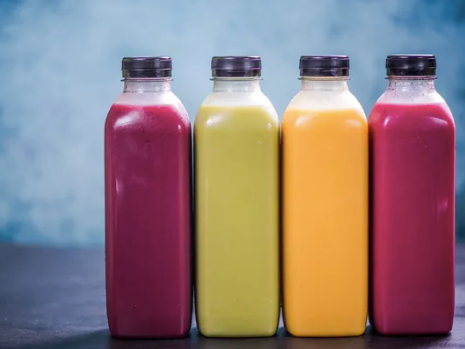
Juices and broths throughout the day: for a juice-focused cleanse, rotate fresh vegetable juices (predominantly green: cucumber, celery, kale, ginger, lemon) with warm broths. Keep fruit content low in the juices. A 24-hour soup cleanse is a gentler option if you find straight juice cleanses too stark. Bone broth or vegetable broth at 10 AM and again at 4 PM does a significant amount of the restorative work, rich in minerals and gut-soothing compounds. A good chicken bone broth is one of the best things you can make in the week before and bring into your cleanse.
Herbal teas: dandelion root tea supports bile flow and liver function. Chamomile or ginger tea in the evenings eases the digestive system.
At least two liters of plain water throughout the day. Add a pinch of sea salt and a squeeze of lemon to one of them. This simple electrolyte addition prevents the fatigue and muscle cramps that many people mistake for cleanse side effects.
If you must eat something solid: steamed leafy greens, a small bowl of plain vegetable soup, or a few slices of cucumber. Don't turn the cleanse into a modified regular day of eating, but don't white-knuckle through genuine hunger if it becomes destabilizing.
Movement during the cleanse: gentle, not intense. A 20-30 minute walk each day keeps circulation moving and supports lymphatic flow. Light yoga works well. Sauna use, if available, can support the process, but only if you are well-hydrated and not feeling dizzy. Skip high-intensity workouts for the duration.
Dry brushing before showering: this isn't essential, but it supports lymphatic circulation and is a nice ritual that reinforces the intentional quality of what you're doing.
What to expect physically: Day one, mild headache and fatigue are common and normal, particularly if you were drinking caffeine or sugar before the cleanse. Day two, the headache typically eases, appetite quiets, and many people notice the beginning of mental clarity. Day three, energy often shifts in a notable way: not a jolt, more like a settling.
What is not normal: dizziness that doesn't resolve when you eat or drink something, heart palpitations, extreme weakness. These are signals to stop and eat.
The Reintroduction Phase: Two Weeks After
This is the phase that almost everyone rushes, and it's the reason so many cleanses don't stick. The reintroduction window (the ten to fourteen days following your cleanse) determines whether the cleanse produced any lasting shift.
Day one after: begin with easily digestible whole foods. A bowl of vegetable soup. Plain steamed rice. Cooked greens. Nothing processed, nothing heavy.
Days two through four: introduce protein gently. A poached egg, a piece of wild-caught fish, some legumes. Not a steak on day two.
Days four through seven: add back more complexity, including cooked grains, raw salads, and fermented foods to restore gut bacteria. This is also when you want to bring in cruciferous vegetables in earnest: broccoli, cauliflower, Brussels sprouts, and kale are especially useful in this window because they support Phase II liver detoxification pathways. Continue avoiding alcohol, refined sugar, and processed food.
Week two: the observation window. This is where you pay attention. How does your body respond when you reintroduce dairy? Coffee? Gluten? Keep a simple food journal.
Not obsessive tracking, just notes: "Had cheese at dinner, woke up congested." "Reintroduced coffee, afternoon energy crash returned." This is genuinely useful information, and you will only get it in this window when your system is clean enough to respond clearly.
The continuous glucose monitoring insights apply here: the foods that spike your blood sugar most significantly will become visible if you're paying attention during reintroduction. You don't need a CGM to notice. You just need to slow down enough to observe.
Common Mistakes That Undermine a Cleanse
Not preparing the week before. The withdrawal symptoms hit harder, willpower runs out, and people quit on day one.
Breaking the cleanse with junk food. I've seen this more times than I can count. Someone makes it through three days of a clean protocol and then celebrates with pizza and wine. That combination undoes most of the gut work in one evening. Break the cleanse the same way you ran it: clean, simple, measured.
Treating the cleanse as the goal. The cleanse is not the transformation. The transformation is what you choose to eat in the two weeks after. A cleanse used as a guilt-release valve before resuming exactly the same diet has no lasting value.
Not drinking enough water. Dehydration and a cleanse interact badly. The symptoms are similar (headache, fatigue, brain fog) and they amplify each other. Drink more water than you think you need.
Going too hard on duration or restriction. A 5-day water fast as your first cleanse is not admirable. It's a stress response, and your body will respond accordingly. Start with 24 hours. Then a 3-day. Build the pattern gradually.
Who Should Not Do a Cleanse
This is important, and I won't skip it. A detox and cleanse diet plan is not appropriate for everyone.
Skip it entirely if you are pregnant or breastfeeding. This is not negotiable. Calorie restriction and nutrient gaps during pregnancy or lactation carry real risk.
Skip it if you have any history of disordered eating. A cleanse protocol can activate restriction patterns in ways that are harmful. If food rules, rituals, or restriction have ever been a difficult area for you, this is not the tool.
Skip it if you have diabetes or significant blood sugar regulation challenges. The blood sugar volatility of a juice-heavy cleanse without adequate fat and protein can be destabilizing. If you're in this category, reach out directly before trying any cleanse protocol.
Use caution (and consult your doctor) if you take medications that are metabolized through the liver. The American Liver Foundation provides clear guidance on how diet affects liver processing of medications, and your doctor should know if you're planning any significant dietary shift.
A Note for Chatham
Working out of New Vernon, just a few minutes from Chatham, I've been guiding Northern NJ clients through cleanse protocols for years. The question I get most often isn't "should I do a cleanse." It's "I did one and nothing changed." Almost always, the prep week was skipped and the reintroduction window was rushed.
The structure above works. It is not dramatic or extreme. What makes it effective is the frame: the cleanse is a doorway, and what you walk through it into is the actual work.
If you want guidance on designing a plan specific to your current health picture, reach out. I work with clients throughout Northern NJ and am always happy to talk through what makes sense for where you are right now.
Looking for personalized, science-based support in Chatham? Explore Jolie's wellness programs in Northern New Jersey.