Nutrition Food
The Anti Inflammatory Food List You Should Keep in Your Kitchen in Jersey City, NJ
May 21, 2026 · Julia Erickson
The Anti Inflammatory Food List You Should Keep in Your Kitchen in Jersey City, NJ
Most anti inflammatory food lists read like a botanical encyclopedia. You scan a wall of berries, fish, and spices, nod along, and then walk into your kitchen and open the same cabinet you always open. Nothing changes because the list has no address. It does not tell you where things live.
This one does. What follows is an anti inflammatory food list organized by where each food actually belongs in your kitchen, from the produce bin on your counter to the jar of turmeric on your spice rack. If you are in Jersey City and you want to start making real changes to how your body handles inflammation, this is the list to keep.
Before you stock anything, it helps to understand what you are working against. Chronic low-grade inflammation is not a dramatic event. It is a slow background signal your immune system produces when it is perpetually irritated, by processed foods, blood sugar spikes, environmental load, and stress. Over time, that signal contributes to fatigue, joint aches, hormonal disruption, metabolic sluggishness, and accelerated aging. What you keep in your kitchen either turns that signal down or keeps it running.
Counter and Fresh Produce Bin
These are the foods you see every day, which is exactly why they matter. Visibility drives use.
Leafy Greens: Kale, Spinach, Arugula
Leafy greens are rich in vitamin K, which plays a direct role in modulating inflammatory pathways, and in antioxidants that neutralize the oxidative stress driving chronic inflammation. Arugula and kale are also good sources of magnesium, a mineral most people are quietly deficient in and one that supports the adrenal response to stress.
Use them: Add a handful of spinach to your morning smoothie, rotate kale into soups and grain bowls, and use arugula as a base for salads at least four times a week.
Cruciferous Vegetables: Broccoli, Cauliflower
Cruciferous vegetables contain sulforaphane, a compound produced when these vegetables are chopped or chewed. Sulforaphane activates the Nrf2 pathway, one of the body's primary antioxidant defense systems, and has been shown to reduce markers of inflammation at the cellular level.
Use them: Lightly steam or roast to preserve sulforaphane. Keep a head of broccoli on the counter as a visual reminder to use it within a few days of purchase.
Berries: Blueberries, Strawberries, Raspberries
Berries are among the most polyphenol-dense foods available at any grocery store. Blueberries in particular contain anthocyanins, the pigments that give them their color, which suppress the production of inflammatory cytokines. A half-cup serving three to four times a week is enough to move the needle.
Use them: Bowl of berries at breakfast, blended into a smoothie, or eaten as an afternoon snack with a small handful of walnuts.
Tomatoes, Peppers, and Avocado
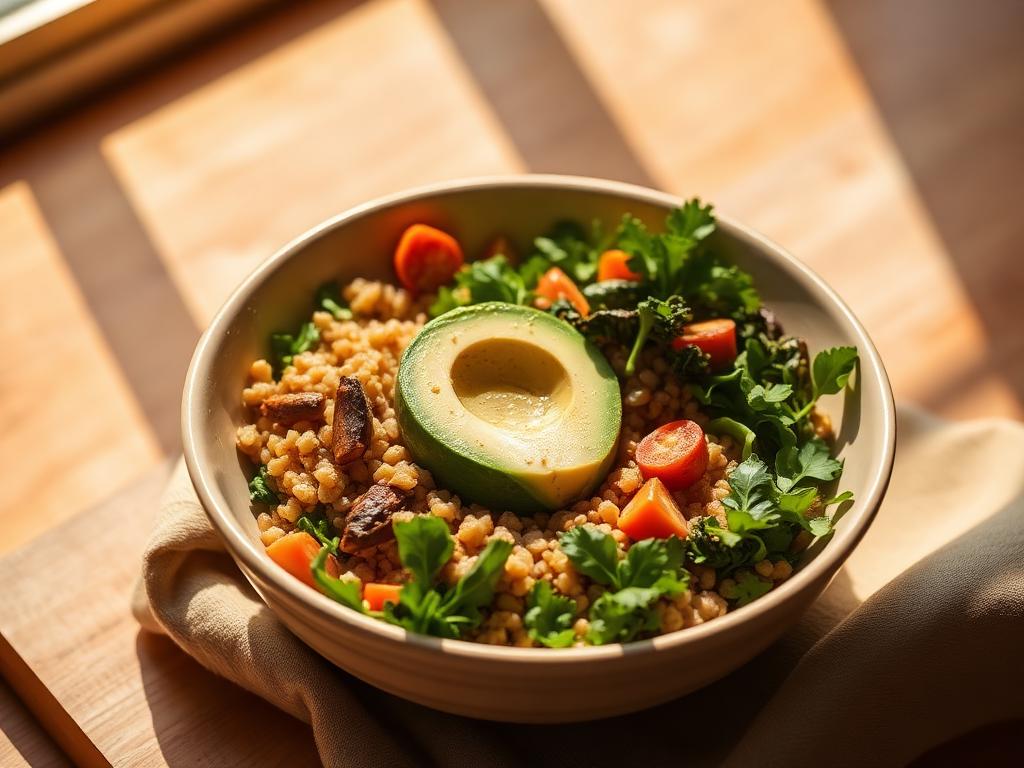
Tomatoes provide lycopene, a carotenoid antioxidant that becomes more bioavailable when cooked with a fat like olive oil. Bell peppers are one of the highest-vitamin-C foods you can keep on a counter, and vitamin C is a co-factor in collagen synthesis and immune regulation. Avocado offers oleic acid, the same monounsaturated fat found in olive oil, along with potassium and fiber.
Use them: Slice avocado into salads, roast tomatoes with olive oil and garlic, and chop peppers for snacking or stir-fries.
Fridge
The fridge is where your most perishable anti-inflammatory proteins and probiotics live.
Wild Salmon and Sardines
The omega-3 fatty acids in cold-water fish, specifically EPA and DHA, reduce C-reactive protein (CRP) and interleukin-6, two key markers of systemic inflammation. Wild salmon provides around 1.5-2 grams of omega-3s per three-ounce serving. Sardines are more affordable, equally rich in omega-3s, and high in calcium.
Use them: Aim for two to three servings of fatty fish per week. Sardines packed in olive oil work well on whole-grain crackers with lemon and capers. Salmon can be baked in under fifteen minutes.
Pasture-Raised Eggs
Eggs from pasture-raised hens contain a meaningfully better omega-6 to omega-3 ratio than conventional eggs. The yolk contains choline, which supports liver function and the methylation process that regulates inflammatory gene expression.
Use them: Soft-boil a batch at the start of the week and keep them in the fridge for quick breakfasts and salad additions.
Plain Greek Yogurt or Kefir
These are your primary refrigerated sources of live probiotic cultures. A resilient gut microbiome is one of the most underutilized anti-inflammatory tools available, because a disrupted microbiome directly increases intestinal permeability and systemic inflammatory load.
Use them: A half-cup of plain Greek yogurt with berries and ground flaxseed makes a functional breakfast that covers probiotics, omega-3s, polyphenols, and fiber simultaneously.
Sauerkraut
Unpasteurized sauerkraut is a fermented food with live cultures, distinct from the shelf-stable pasteurized version. It also contains glucosinolates from the cabbage base. Keep a jar in the fridge and add a few tablespoons to meals regularly.
Lemons and Limes
Beyond vitamin C, citrus provides flavonoids with measurable anti-inflammatory activity. They also make everything else in this list taste better, which matters for actual daily use.
Use them: Squeeze over fish, greens, and soups. Start your morning with warm water and half a lemon before coffee.
Pantry: Dry Goods and Oils
Your pantry is the foundation of the list. These are the staples that should never run out.
Extra-Virgin Olive Oil
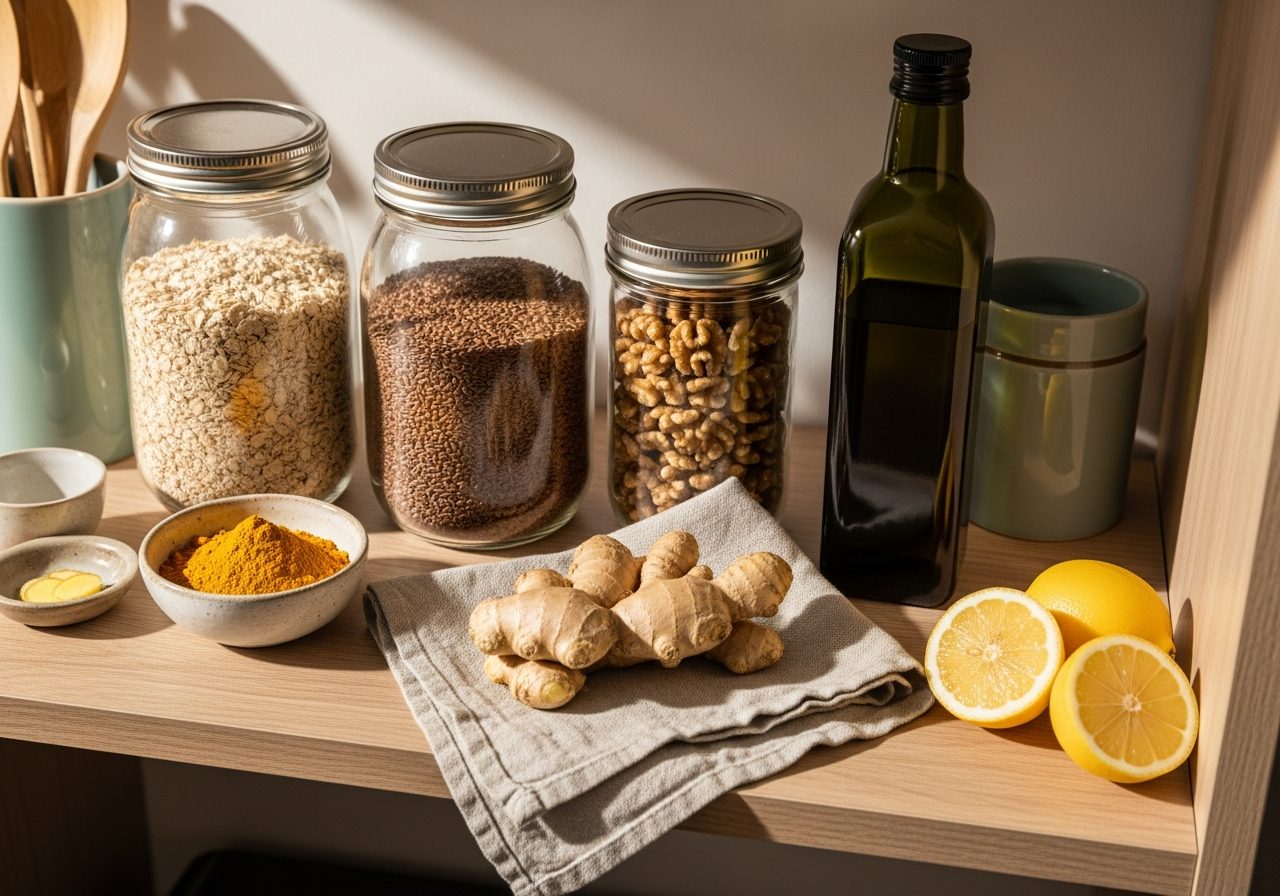
Extra-virgin olive oil contains oleocanthal, a phenolic compound that inhibits the same inflammatory enzymes that ibuprofen targets. Look for oils in dark glass bottles, with a harvest date within the last 18 months, and a certification seal from a recognized body (COOC or North American Olive Oil Association). Oils in clear plastic bottles or without a harvest date have likely been oxidized before they reach you.
Use it: Two to three tablespoons daily, in cooking at medium heat or as a finishing oil on salads, roasted vegetables, and soups.
Ground Flaxseed and Chia Seeds
Both are plant-based sources of ALA, a precursor omega-3 fatty acid, and both provide soluble fiber that feeds beneficial gut bacteria and lowers CRP. Flaxseed must be ground to be bioavailable, so buy it pre-ground or grind it yourself weekly.
Use them: Add a tablespoon of ground flaxseed to oatmeal, smoothies, or yogurt four to five times a week.
Walnuts and Almonds
Among tree nuts, walnuts have the highest omega-3 content. Almonds are particularly rich in vitamin E, an antioxidant that protects cell membranes from inflammatory oxidative damage. A one-and-a-half-ounce handful of mixed walnuts and almonds covers a significant portion of your daily anti-inflammatory fat needs.
Use them: Keep a jar on the counter or pantry shelf where you can grab a handful without thinking. Snacking on nuts is one of the easiest habits in this list.
Pumpkin Seeds
Pumpkin seeds are one of the best plant sources of zinc, which regulates immune cell function and helps mediate the inflammatory response. They also provide magnesium and iron.
Use them: Scatter over salads, soups, and grain bowls. Toast lightly with a pinch of sea salt.
Beans and Lentils
Legumes contain antioxidant polyphenols, soluble fiber, and folate. Fiber lowers CRP more effectively than fiber supplements, and legumes are one of the most fiber-dense foods you can keep on a shelf. The polyphenols in black beans, lentils, and kidney beans inhibit pro-inflammatory enzymes.
Use them: Cook a pot of lentil soup once a week. Add beans to salads, grain bowls, and wraps. They are also an inexpensive, protein-complete substitute for red meat on weekday nights.
Rolled Oats
Oats contain beta-glucan, a soluble fiber that feeds gut bacteria and reduces LDL cholesterol and inflammatory markers. Steel-cut or rolled oats are preferable to quick oats, which have a higher glycemic index.
Use them: Overnight oats with chia seeds, berries, and almond butter is one of the most anti-inflammatory breakfasts you can put together with minimal effort.
Green Tea
Green tea contains catechins, particularly EGCG, which inhibit the NF-kB signaling pathway, a central regulator of the inflammatory response. Two to three cups daily is the range associated with measurable effects in the research.
Use it: Replace one of your afternoon coffees with green tea. If you find it too bitter, steep at a lower temperature (around 175°F) for less time.
Dark Chocolate (70 Percent Cacao or Higher)
Cacao contains flavonoids that reduce oxidative stress and lower blood pressure through vasodilation. This only applies to dark chocolate with minimal added sugar. A one-ounce square of 70-plus percent cacao two to three times a week is a legitimate anti-inflammatory addition. It is also how you make this list sustainable.
Use it: Keep a bar in the pantry and have a square after dinner instead of something highly processed.
Freezer
Your freezer is what makes this list easy to maintain when you do not have time to shop.
Frozen Wild Berries
Frozen berries retain nearly all of their polyphenol content. Blueberries, raspberries, and mixed berry blends frozen at peak ripeness are often more nutritious than fresh berries that have been in transit for days.
Use them: Add directly to smoothies, oatmeal, and overnight oats from frozen.
Frozen Broccoli and Spinach
Both freeze exceptionally well without significant nutrient loss. A bag of frozen broccoli means you always have a cruciferous vegetable available, even when your produce bin is empty.
Use them: Steam from frozen and finish with olive oil and lemon, or blend spinach directly into soups and smoothies.
Frozen Wild Salmon Portions
Individually portioned wild salmon fillets are one of the most practical items in your freezer. Thaw overnight in the fridge or under cold running water in twenty minutes.
Use them: A weeknight staple. Season with turmeric, black pepper, and olive oil and bake at 400°F for 12-14 minutes.
Spice Rack
Spices are the most concentrated anti-inflammatory tools in your kitchen, and the most underused.
Turmeric
Curcumin, the active compound in turmeric, inhibits tumor necrosis factor-alpha (TNF-alpha) and other key mediators of the inflammatory cascade. The research on curcumin spans decades and multiple disease contexts. Add a quarter to half teaspoon daily to curries, soups, eggs, and golden milk. Always combine with black pepper, which increases curcumin bioavailability by up to 2,000 percent.
Ginger
Gingerols and shogaols in fresh and dried ginger inhibit the same prostaglandin synthesis pathways as NSAIDs, with effects on both acute and chronic inflammation. Grate fresh ginger into stir-fries and soups, or use dried ginger in oatmeal and smoothies.
Cinnamon
Cinnamon helps regulate blood sugar by improving insulin sensitivity, and blood sugar stability is one of the most direct levers for reducing inflammatory load. Use it in oatmeal, yogurt, and smoothies rather than in baked goods where the sugar content undercuts the benefit.
Black Pepper, Garlic, Rosemary, Oregano, Cloves
Garlic contains allicin and sulfur compounds with potent anti-inflammatory and antimicrobial properties. Rosemary and oregano are high in rosmarinic acid, a polyphenol that suppresses inflammatory cytokines. Cloves have the highest antioxidant value of almost any food by weight. These are the spices that turn every meal into a functional one without any additional effort.
Building Your Anti Inflammatory Shopping List: What to Look for at the Store
Knowing what to put on your list is only half the equation. Here is what to look for when you are actually at the store:
- Extra-virgin olive oil: dark glass bottle, harvest date within 18 months, DOP or COOC certification seal
- Salmon: "wild-caught" on the label, not just "wild" (which can be a marketing term); Pacific or Alaskan varieties
- Berries (frozen): no added sugar, no syrup, single-ingredient bags
- Eggs: "pasture-raised" is the meaningful label; "free-range" and "cage-free" have limited impact on nutritional profile
- Greek yogurt: plain, full-fat or 2%, live cultures listed in the ingredients
- Turmeric: buy the spice, not a supplement, unless you are working with a practitioner; culinary amounts are safe and effective for daily use
- Dark chocolate: 70 percent cacao or higher, short ingredient list, minimal added sugar
Stocking This Kitchen Takes One Trip
The full list above covers every section of a well-run grocery store. You do not need all of it on day one. Start with the pantry staples (olive oil, flaxseed, lentils, turmeric, cinnamon) and the fridge (salmon, eggs, leafy greens, plain yogurt). Add the freezer items on the same trip. Build from there.
Many of Julia's clients in Jersey City, NJ have found that the shift starts not with willpower but with what is actually in the kitchen. When your fridge contains wild salmon and leafy greens and your pantry has turmeric and walnuts, those become the default, not an effort. The foods that help balance hormones naturally overlap significantly with this list, because inflammation and hormonal disruption share a root cause. Addressing one addresses the other.
This is not a diet. It is a well-stocked kitchen. The habits of healthy living that create lasting change are almost always the quiet ones: what you reach for at 7 PM on a Tuesday, what is already on your counter when you do not have a plan. That is where this list does its work.
If you are ready to take a more structured approach to functional nutrition, the Jolie Method is a good place to begin. Begin Here.
Looking for personalized, science-based support in Jersey City? Explore Jolie's wellness programs in Northern New Jersey.