Nutrition Food
Food as Medicine: How Your Diet Can Heal Your Body in Princeton, NJ
April 25, 2026 · Julia Erickson
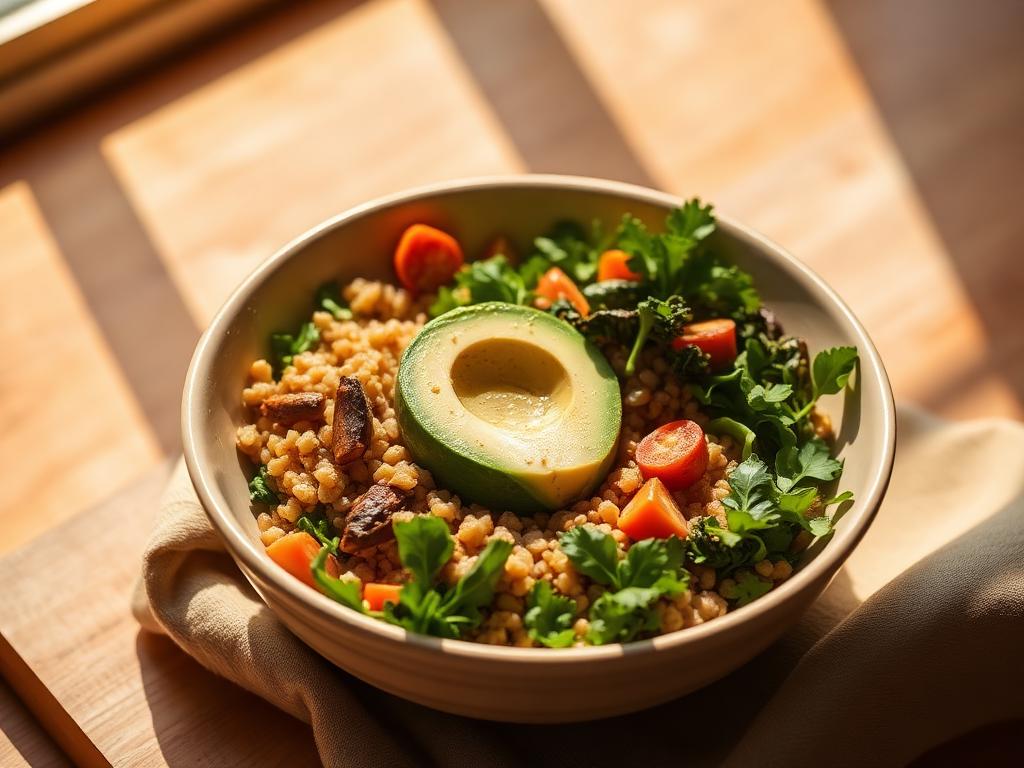
Food as Medicine: How Your Diet Can Heal Your Body in Princeton, NJ
The phrase has been circulating for so long it risks becoming a cliche: "Let food be thy medicine." But Hippocrates, who wrote those words roughly 2,400 years ago, was not making a marketing slogan. He was describing a clinical observation: the substances people consumed consistently altered the course of their health. In Princeton, a city shaped by rigorous inquiry and intellectual honesty, that distinction matters. The food as medicine diet is not a trend or a tagline. It is a framework with deep historical roots and a growing body of scientific evidence behind it.
Understanding what "food as medicine" actually means, where the idea came from, and why it nearly disappeared from mainstream medicine before coming back, is the foundation for making it genuinely useful in your life.
Hippocrates Said It, but What Did He Mean?
Hippocrates practiced medicine in an era when the separation between food, herbs, and pharmacological agents was nonexistent. Plants were medicine. Dietary patterns were prescriptions. The Hippocratic tradition held that the body had an innate capacity for self-healing, and that the practitioner's role was to create the conditions for that healing to occur. Food was a primary tool.
What he likely observed, centuries before anyone had language for it, was that certain eating patterns consistently produced better outcomes in patients. He did not know about polyphenols or gene expression. But he noticed the patterns.
For roughly fifteen centuries after Hippocrates, the relationship between food and healing remained central to medical practice across many cultures, from Ayurvedic medicine to traditional Chinese medicine to European herbalism. The separation happened gradually, accelerating through the 20th century as pharmaceutical medicine became the dominant model in Western healthcare.
How Nutrition Left the Room
In the early 20th century, medical education restructured around laboratory science and drug-based intervention. The Flexner Report of 1910 reformed American medical schools toward a research-based model, which was largely beneficial for rigor and safety. But a side effect was that nutrition, which was difficult to study in isolated, controlled conditions, was deprioritized in medical training.
By the mid-20th century, nutrition occupied only a few hours of the average medical school curriculum in the United States. The message to physicians was subtle but consistent: food is background, not treatment. Drugs were specific and testable. Dietary patterns were complicated, confounded by lifestyle variables, and harder to patent.
The consequences of that shift are still playing out. Diet-related chronic disease has become one of the most significant drivers of healthcare costs globally. The Rockefeller Foundation's Food is Medicine initiative estimates that diet-related illness accounts for approximately $1.1 trillion per year in healthcare expenditures in the United States. That number has created new urgency around reintegrating nutrition into clinical medicine.
The pendulum is swinging back. The National Institutes of Health has expanded funding for nutrition research. A number of medical schools have added dedicated nutrition curricula, including clinical training in dietary counseling. The American College of Lifestyle Medicine has grown significantly, training physicians to use food as a primary therapeutic tool. This is not alternative medicine making inroads. This is conventional medicine catching up.
The Science: Food Is Not Just Fuel
The shift in how we understand food at a biological level is the most important development in this conversation. For most of the 20th century, nutrition science focused primarily on macronutrients (proteins, fats, carbohydrates) and micronutrients (vitamins, minerals). The model was essentially mechanical: calories in, energy out, deficiencies corrected by supplementation.
That model was not wrong, but it was incomplete.
Food contains thousands of bioactive compounds that do not fit neatly into the macronutrient or micronutrient categories. Phytonutrients, polyphenols, flavonoids, carotenoids, glucosinolates, prebiotics, postbiotics: these compounds interact with your cells, your immune system, your gut microbiome, and your gene expression in ways that go far beyond caloric energy provision.
The field of nutrigenomics examines how dietary compounds influence gene expression. Certain foods can upregulate genes associated with antioxidant defense, anti-inflammatory signaling, and DNA repair. Others can suppress pathways linked to chronic inflammation and metabolic dysfunction. The implication is significant: you are not simply feeding your body when you eat. You are sending biochemical instructions.
Specific examples illustrate the point:
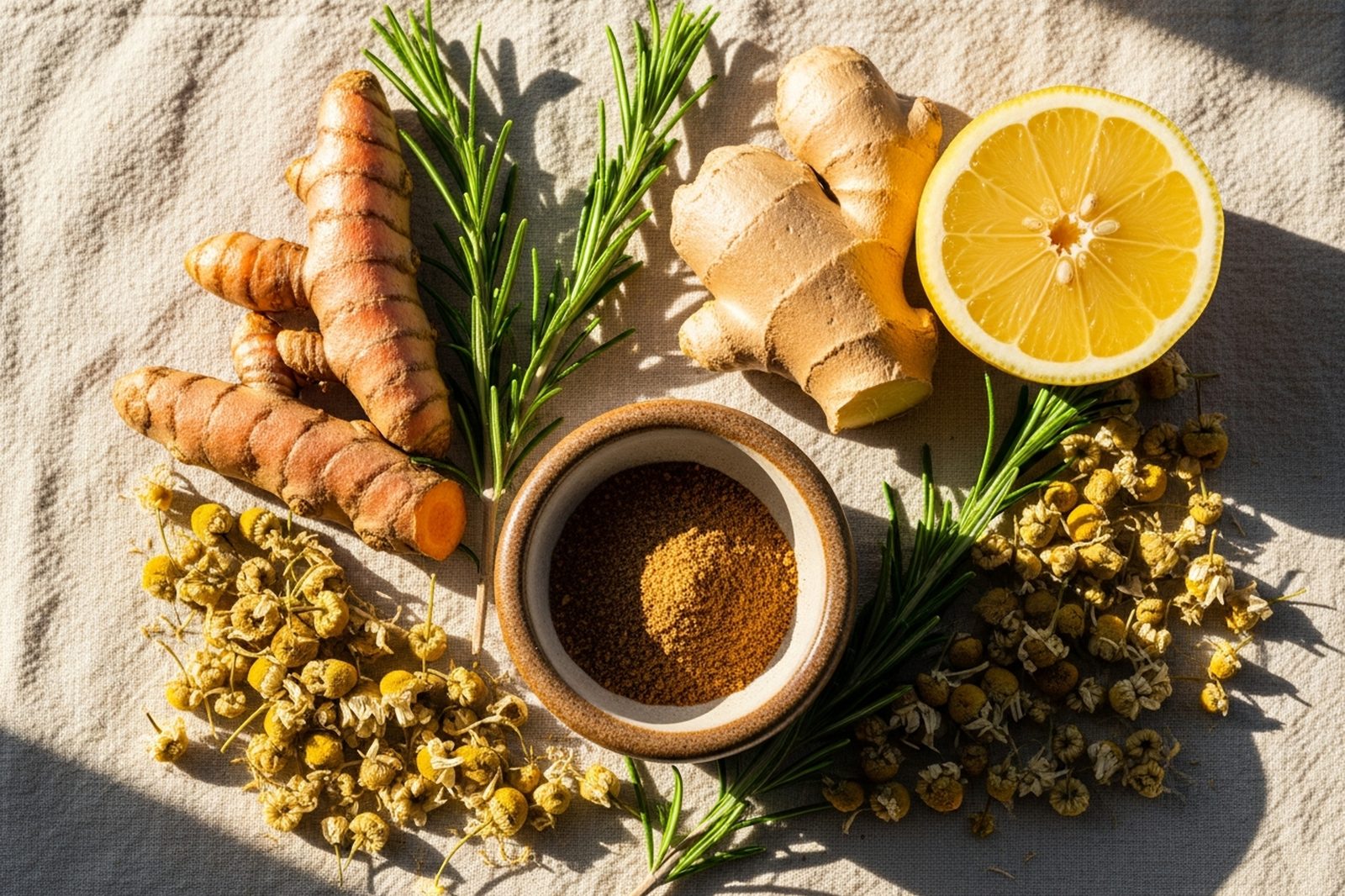
- Curcumin, the active compound in turmeric, has been studied extensively for its effects on NF-kB, a protein complex that regulates inflammatory gene expression. Multiple research reviews have found anti-inflammatory and antioxidant effects.
- Allicin in garlic influences cardiovascular pathways, including blood pressure and platelet aggregation.
- EGCG in green tea acts on oxidative stress pathways at the cellular level.
- Anthocyanins in blueberries and other berries cross the blood-brain barrier and have been associated with improvements in cognitive function and memory in aging populations.
- Gingerol in ginger has anti-nausea properties with enough clinical support that it is used in oncology settings to manage chemotherapy-related nausea.
The Institute for Functional Medicine describes functional medicine as addressing underlying root causes of disease rather than managing symptoms in isolation. Diet, in this model, is not a supportive measure. It is a primary intervention.
Food as Medicine in Clinical Practice
The most rigorous test of "food as medicine" is whether dietary patterns produce measurable, reproducible clinical outcomes. The evidence base has grown substantially over the past two decades.
The PREDIMED trial, one of the largest nutritional intervention studies ever conducted, followed more than 7,400 adults at elevated cardiovascular risk over approximately five years. Participants randomized to a Mediterranean diet supplemented with olive oil or nuts experienced significantly lower rates of major cardiovascular events compared to those on a low-fat control diet. The magnitude of the effect was comparable to some pharmacological interventions for cardiovascular risk reduction.
Dietary intervention for autoimmune and inflammatory conditions has accumulated its own evidence base. Anti-inflammatory eating patterns have been studied in rheumatoid arthritis, inflammatory bowel disease, and multiple sclerosis, with findings supporting dietary influence on disease activity and quality of life. The low-FODMAP protocol, developed at Monash University, has become a validated clinical approach for managing irritable bowel syndrome, with randomized controlled trial data supporting its effectiveness for symptom reduction.
The DASH diet was designed specifically to address hypertension through dietary means. Multiple clinical trials have demonstrated blood pressure reductions comparable to those produced by first-line antihypertensive medications.
None of these findings claim that food replaces medical care when medical care is indicated. A person with an acute infection needs antibiotics. A person in a hypertensive crisis needs medication. What the evidence does say is that dietary patterns have biological effects significant enough to alter the trajectory of chronic disease, and that ignoring that relationship leaves a substantial therapeutic tool unused.
What "Food as Medicine" Is Not
Because the phrase has been appropriated widely, it is worth naming the distortions.
Food as medicine is not a justification for extreme elimination diets. Removing entire food groups based on unverified sensitivities, or restricting calories to points that compromise nutritional adequacy, is not therapeutic. It is often counterproductive.
It is not a claim that any single "superfood" will heal a condition in isolation. Turmeric is not chemotherapy. Ginger is not antibiotic. Blueberries are not antidepressants. The therapeutic effect of food comes from consistent dietary patterns over time, not from concentrated doses of individual compounds.
And it is not a reason to defer necessary medical care. Understanding why your health feels off despite trying hard is part of this picture. The body is complex, and food is one lever among several.
The Functional Nutrition Framework in Practice
What does applying the "food as medicine" philosophy actually look like day to day? It starts with a shift in how you frame the relationship between eating and health.
The functional nutrition framework, which you can read about in more depth in this overview of what functional nutrition is and why it matters, moves through several steps: identify root causes, address them with food and lifestyle first, layer in targeted supplementation and medical care as indicated. Food is not background. It is step one.
In practice, gentle entry points look like this:
- Notice the connections between what you eat and how you feel. Energy, digestion, skin, sleep, mood: these are not random. They are data.
- Shift toward whole foods as the foundation, aiming for around 80 percent of what you eat to be minimally processed. The other 20 percent does not undo the 80.
- Add one anti-inflammatory food to each meal rather than overhauling everything at once. Eating a wide range of plant colors is one of the most consistent findings in nutrition research for supporting microbiome diversity and reducing systemic inflammation.
- Cook more. Not because cooking is virtuous, but because it puts you in direct relationship with what you are eating and reduces the exposure to additives, seed oils, and ultra-processed ingredients that characterize most of the prepared food supply.
- Think about the ratio, not the prohibition. The goal of the healing foods approach is not perfection. It is a consistent pattern that tips the balance of your biology toward resilience rather than inflammation.
For Princeton clients who come to this work, the entry point is often intellectual: they want to understand the mechanism before they change the behavior. That is a feature, not a barrier. The evidence is there. The research is robust. The question moves quickly from "does this work" to "how do I make it work for me."
Gut Health as a Lens
One of the most productive angles for understanding food as medicine is through the gut microbiome. The microbiome contains trillions of microorganisms that metabolize the food you eat, produce compounds that influence mood and immune function, and regulate inflammatory signaling throughout the body.
The composition of your microbiome is shaped substantially by what you eat. Fiber, fermented foods, and diverse plant intake support microbial diversity. Highly processed foods, chronic antibiotic use, and low-fiber diets degrade it. If you are curious about how specific dietary patterns intersect with gut health, the post on the best diet for gut health according to functional nutrition in Princeton goes deeper into the clinical frameworks most relevant to this question.
Every Bite Is Information
The framing I return to most often with clients is this: food is not just fuel, and it is not medicine in the pharmaceutical sense either. It is information. Every meal is a set of biochemical signals your body receives, interprets, and responds to.
That does not mean every meal needs to be perfect. It means the overall pattern you maintain sends a consistent message to your biology. What are you saying, day after day, through the food you eat?
The science of nutrigenomics, the evidence from large dietary intervention trials, and the clinical findings from therapeutic dietary protocols all point toward the same conclusion. The connection between fiber, antioxidants, and cardiovascular health is one well-studied thread in a much larger fabric. Food shapes gene expression. Food regulates inflammation. Food feeds or starves the microbiome. Food affects hormones, neurotransmitters, and immune activation.
Hippocrates was not being poetic. He was being clinical.
In Princeton, where the culture runs toward evidence and rigor, the invitation is to take food seriously on those terms. Not as a belief system, not as a marketing category, but as a set of consistent, documented biological relationships that are yours to work with, starting at your next meal.
Looking for personalized, science-based support in Princeton? Explore Jolie's wellness programs in New Jersey.