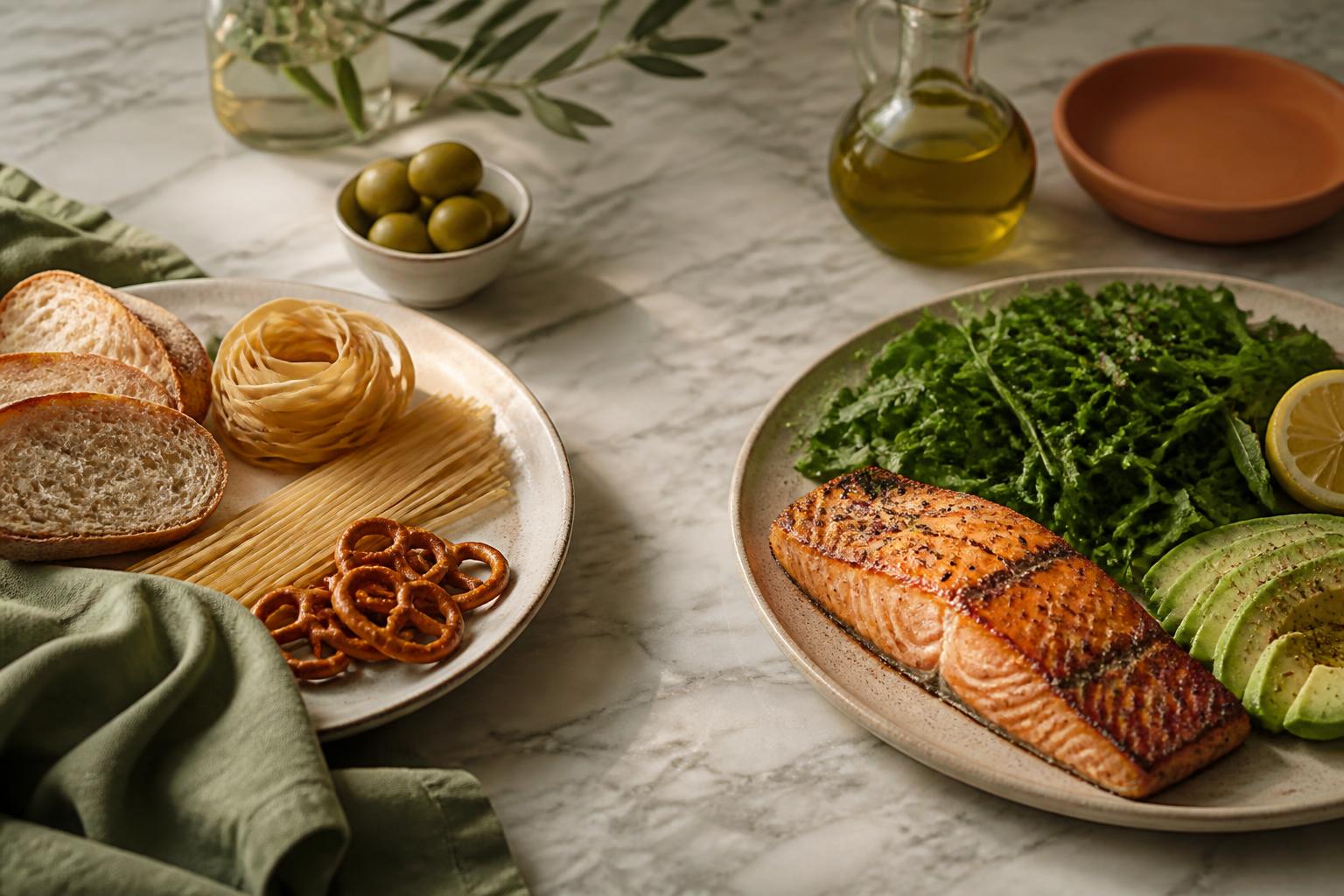
Wellness
Stress and Heart Health - What My Blood Pressure Taught Me
August 12, 2026 · Julia Erickson
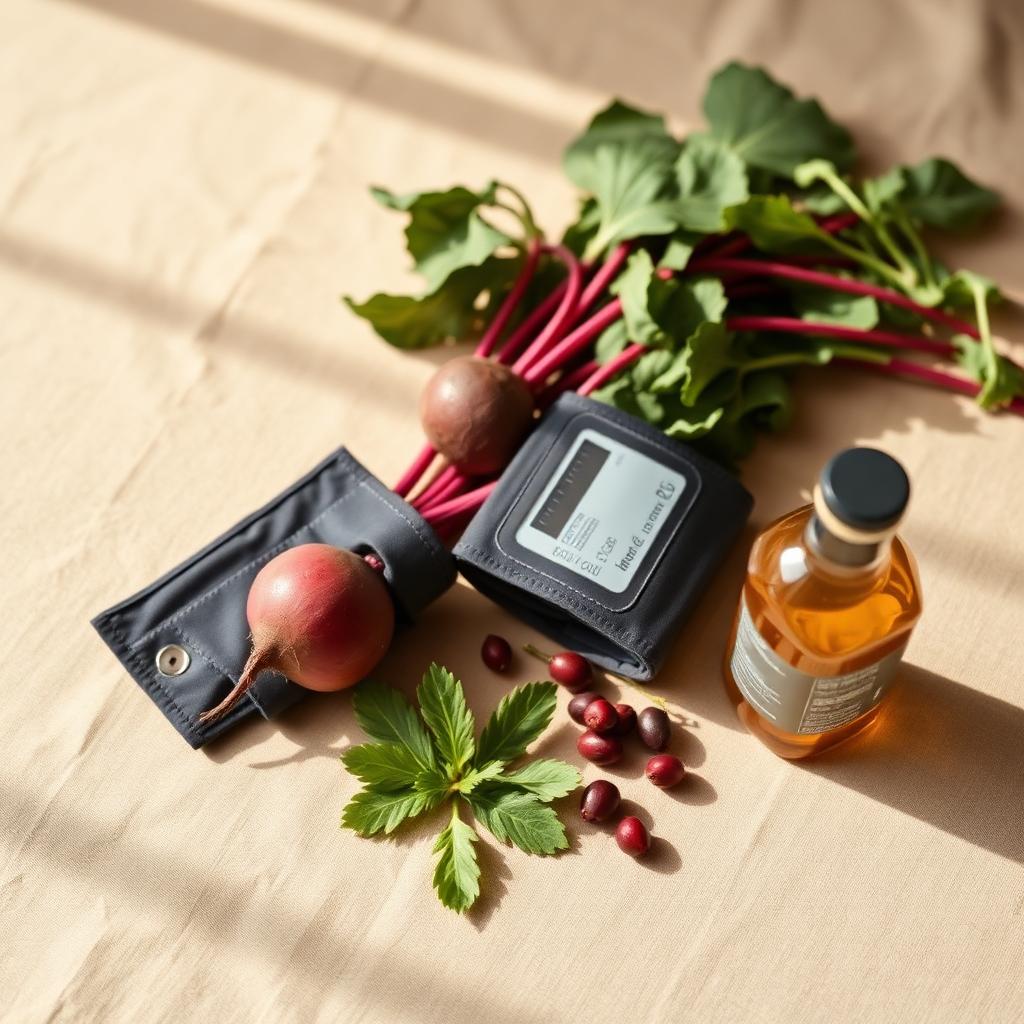
A few weeks ago, I had one of those moments that reminds you to be vigilant.
I was traveling a lot which always causes me to retain water and makes me prone to migraines.
I was eating differently than I normally do — Texas restaurants. Even when you make healthy choices, most non-health oriented restaurants use questionable oils and too much salt — and sometimes MSG, which triggers migraines in me. My schedule was unpredictable. I wasn't sleeping as deeply. I was sitting more than usual. I was under more stress than I realized. I developed a migraine headache and noticed significant water retention.
I am a checker — I love monitors of all kinds: CGMs, Oura rings, nutrient tracking, Inbody — everything. So I quickly saw that my usually low normal blood pressure, which makes me prone to lightheadedness, was higher than I am accustomed to seeing.
Not dangerously high, but elevated.
As someone who gladly spends her life teaching nutrition and longevity, it became a real-time reminder that blood pressure doesn't simply reflect what happened in the last meal. It reflects how our entire body is responding to life.
The encouraging part? Within days of returning home, everything normalized.
The swelling disappeared. The migraine resolved. My usual eating pattern returned. My stress decreased. I slept better, exercised again, and my blood pressure returned to its normal low range.
Blood Pressure as a Reflection of Lifestyle
Many people think of high blood pressure as something that simply happens with age. While genetics certainly play a role, our everyday choices have a profound influence on the pressure inside our arteries.
Temporary elevations can occur from:
- Emotional stress
- Poor sleep
- Excess dietary sodium
- Dehydration
- Increased alcohol intake
- Less physical activity
- Weight gain
- Pain or illness
- Certain medications
These can be acute conditions — we have to guard against them becoming chronic. The factors above determine the terrain of your body (the soil, if you will). Working with this is your nutrition. Each is an essential factor in protecting your heart and circulatory system.
Your Heart Responds to Your Daily Habits
My experience during travel reminded me that health is rarely determined by one event. Our bodies are remarkably resilient.
When we consistently nourish ourselves, sleep well, manage stress, stay active, and eat foods that support healthy blood vessels, our cardiovascular system often responds quickly. (Learn more here: The Heart-Healthy Trio: Fiber, Antioxidants, and Omega-3 Fatty Acids.)
So, your healthy daily habits may be one of the most powerful investments you can make in your long-term heart health. Creating a way of eating and living that consistently supports your cardiovascular system is the key.
To help you, every one of the Jolie programs that naturally support healthy blood pressure also support longevity, metabolic health, and healthy aging. And below is a list of foods I recommend for supporting healthy blood pressure.
Food Can Help Lower Blood Pressure Every Day
One of the reasons I designed the Jolie approach the way I did is because so many everyday foods actively support cardiovascular health. Some of my favorite examples include:
Beets
Beets are naturally rich in dietary nitrates, which the body converts into nitric oxide. Nitric oxide helps blood vessels relax and widen, allowing blood to flow more easily.
Ground Flaxseed
Flax provides fiber, plant omega-3 fats, and lignans that support healthy cholesterol levels and may contribute to healthier blood pressure.
Leafy Greens
Spinach, Swiss chard, kale, and arugula are excellent sources of potassium and magnesium — two minerals that help regulate blood pressure and support normal muscle function, including the heart muscle.
Beans and Lentils
For those who tolerate them well, legumes provide potassium, magnesium, plant protein, and soluble fiber that support cardiovascular health.
Berries
Rich in anthocyanins and other polyphenols, berries help protect the lining of blood vessels from oxidative stress.
Nuts and Seeds
Pumpkin seeds, almonds, walnuts, and chia seeds provide magnesium, healthy fats, and fiber that support heart health.
Extra Virgin Olive Oil
One of the cornerstones of the Mediterranean dietary pattern, olive oil contains polyphenols that help support healthy blood vessel function and reduce inflammation.
About the Author
Julia Erickson is a Harvard graduate, Stanford-trained nutrition specialist, culinary professional, and founder of Jolie. She is a mother of seven who became fascinated by one question: Can food change how we age? For more than 20 years, she has studied nutrition, longevity, metabolic health, and healthy aging, helping clients build habits that actually stick.