
Menopause
Can Protein Reduce Menopause Symptoms? What the Research Shows
July 1, 2026 · Julia Erickson
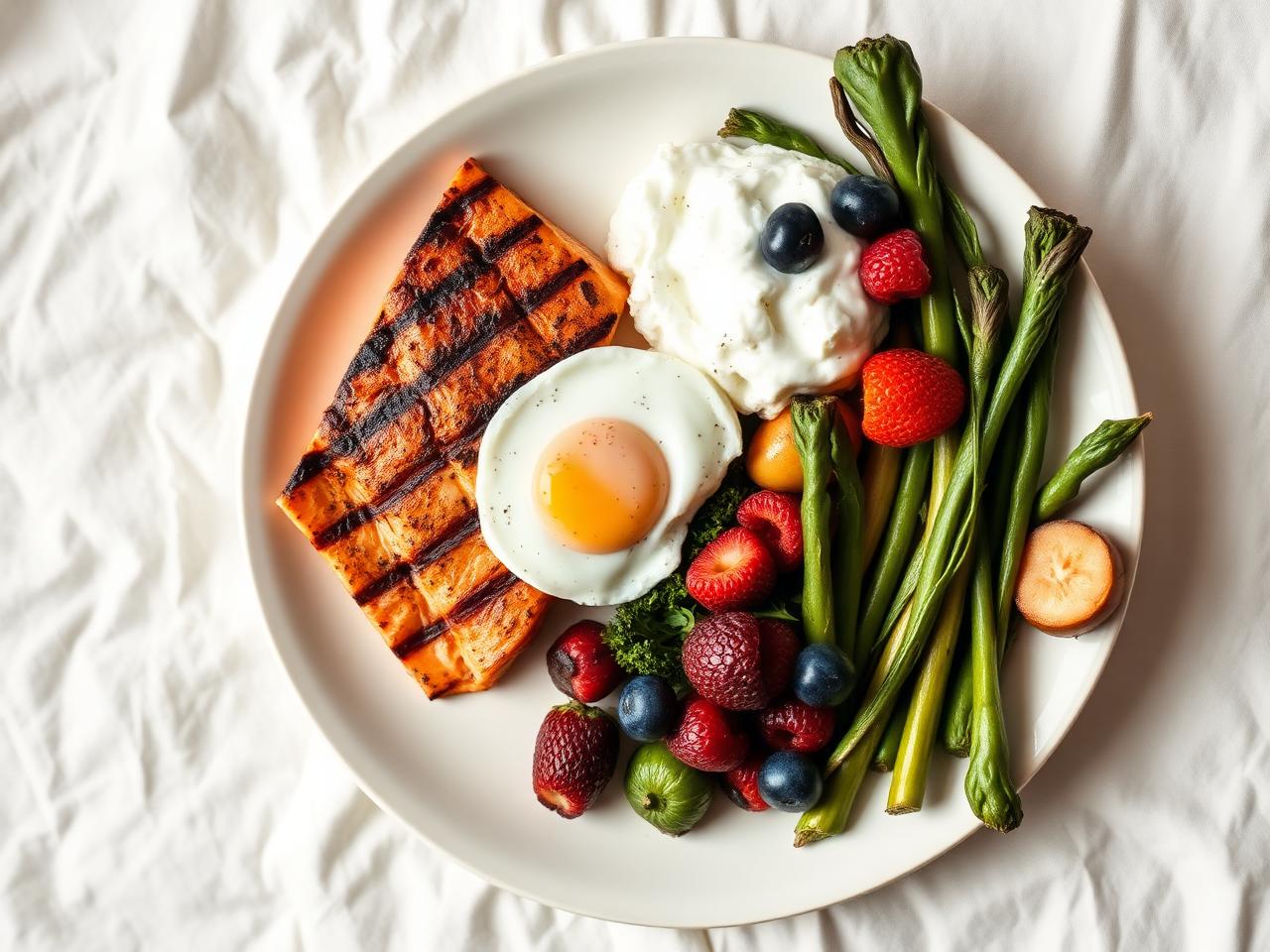
I upped my daily protein to 160g per day with shocking results. So, if you wonder if more protein can reduce menopause symptoms such as cravings, weight gain, loss of muscle mass, fatigue, and brain fog — the science and my client experience says yes.
A growing body of research points to protein exerting a powerful influence on some of the most frustrating changes women experience during this stage of life.
The conversation around menopause rightly focuses on hormones and symptom management. Estrogen declines. Sleep becomes more elusive. Weight seems easier to gain and harder to lose. Yet, everyone is sleeping on what protein can do for you by way of your muscles.
Muscle is not just about strength or appearance. (Related article: Why Women Lose Muscle During Menopause — and How Protein Helps.) It plays a critical role in metabolism, blood sugar regulation, mobility, bone health, and healthy aging. As women enter menopause, preserving muscle becomes one of the most important nutritional priorities — and protein is the raw material that makes it possible.
Why Menopause Changes the Way Your Body Uses Protein
Beginning in our forties and accelerating through menopause, women naturally begin to lose muscle mass. Researchers estimate that adults can lose between 3% and 8% of their muscle mass per decade, with the rate increasing after age 60. For women, declining estrogen appears to contribute to this process.
Estrogen does far more than regulate reproduction. It supports muscle maintenance, influences how the body uses energy, and affects where fat is stored. As estrogen declines, women often notice changes that seem to happen almost overnight: less strength, slower recovery from exercise, increased abdominal fat, and greater difficulty maintaining the body composition they once had.
At the same time, the body's ability to efficiently use dietary protein appears to decline with age. Scientists refer to this phenomenon as "anabolic resistance." In practical terms, it means that the body may require more protein than it did in earlier decades to achieve the same muscle-building response.
For many women, this is a surprise — that you actually need more protein now, not less.
Can Protein Help Reduce Common Menopause Symptoms?
Protein can blunt the effects of menopause.
Myogenic Estrogen
Myo means muscle. Genic means created. Muscles, when used regularly with a generous supply of protein, form estradiol — the precursor to estrogen. Myogenic estrogen helps your body build and maintain new muscle. This myogenic estrogen can also have a positive effect on your overall estrogen levels.
Weight Gain
One of the most common complaints during menopause is weight gain, particularly around the midsection. Midsection fat is excess stored energy. Muscles help reduce energy storage in fat by taking on and storing that energy within the muscle. Then when you take a walk, your body very easily uses up this energy.
Additionally, muscles are hungry for energy and raise your overall energy needs. So eating the same number of calories with more muscle on you will equal less midsection fat and more leanness.
Cravings and Hunger
Many women notice stronger cravings during perimenopause and menopause. Protein is the most satiating macronutrient, meaning it helps people feel fuller for longer.
In practice, I have clients struggling with cravings eat more protein. After a few days of additional protein, sugar cravings nose-dive. Cravings themselves are most often a body-cry for energy. Protein answers that cry without raising blood sugar or fat stores. A breakfast built around protein is often far more effective at reducing afternoon cravings than one centered around refined carbohydrates.
Energy Levels
Fatigue is one of the most frequently reported menopause symptoms. While protein is not a stimulant, it provides amino acids that support countless biological processes, including tissue repair, neurotransmitter production, and immune function.
Consistent protein intake throughout the day can help support stable energy levels and reduce the energy crashes associated with blood sugar fluctuations.
Mood and Brain Fog
Many women describe menopause as feeling mentally different. Words disappear. Focus becomes harder. Mental clarity feels less reliable.
While protein alone will not eliminate brain fog, amino acids serve as building blocks for neurotransmitters such as dopamine and serotonin, which influence mood, motivation, and cognitive function.
Increased protein also crowds out the enemies of brain health during menopause — refined carbs and sugar. This, combined with better sleep, exercise, and an overall nutrient-dense diet, allows the brain to function at pre-menopause levels.
Loss of Strength and Muscle Tone
Protein provides the amino acids needed to repair and build muscle tissue. When combined with resistance training, adequate protein intake can help women preserve lean mass, maintain strength, and support healthy aging.
What the Research Says About Protein and Menopause
Studies consistently show that higher protein intake is associated with greater preservation of lean muscle mass in older adults. Maintaining muscle is linked to better mobility, improved metabolic health, greater independence, and reduced risk of frailty later in life.
Research also suggests that protein can support satiety and help reduce overall calorie intake without the feeling of deprivation that often accompanies traditional dieting.
For menopausal women, this is significant. The goal should not simply be weight loss. The goal should be preserving muscle while maintaining a healthy body composition.
How Much Protein Do Women Need During Menopause?
The current Recommended Dietary Allowance (RDA) for women aged 40–60 is 0.36 grams of protein per pound of body weight. This translates to about 50 to 70 grams of protein daily for the average woman.
(Not sure how much protein you personally need? Read How Much Protein Does a Woman Need During Menopause?)
However, I — like many experts — believe this amount only prevents deficiency, and in no way sets you up for optimizing health during menopause and beyond.
For many women in midlife, a target closer to 0.54 to 0.73 grams per pound of body weight may be more appropriate. In my practice, for active women, particularly those engaging in resistance training, getting closer to 1 gram per pound of body weight produces the most profound effect.
For a woman weighing 150 pounds, that equates to approximately 82 to 109 grams of protein per day. Timing the protein throughout the day yields the best results.
The Best Protein Sources During Menopause
Not all protein sources are created equal.
Animal proteins contain all nine essential amino acids and are generally highly bioavailable. Excellent choices include:
- Wild fish
- Eggs
- Chicken
- Turkey
- Lamb
- Grass-fed beef
- Greek yogurt (if dairy tolerant)
(Wondering which proteins are the healthiest choices? Read The Best Protein Sources for Women Over 50.)
Plant proteins can also contribute meaningfully to overall protein intake. The key to complete proteins here is eating a variety of sources and other vegetables. Examples include:
- Lentils
- Beans
- Tofu
- Tempeh
- Hemp seeds
- Pumpkin seeds
A Sample High-Protein Day of Eating
Breakfast — Frittata and salad, or a high-protein smoothie.
Lunch — Large salad topped with chicken, avocado, mixed vegetables, and olive oil vinaigrette.
Snack — Chicken bone broth, or Greek yogurt with berries and hemp seeds.
Dinner — Wild cod with roasted vegetables and a side of quinoa.
This type of eating pattern can easily provide 100 grams or more of protein while emphasizing whole, nutrient-dense foods.
Common Protein Mistakes Women Make During Menopause
Eating too little at breakfast. Many women start the day with toast, cereal, or fruit and consume very little protein until dinner.
Saving protein for one meal. The body benefits from spreading protein intake across the day.
Focusing only on calories. Calories matter, but the quality of those calories matters as well. Protein supports satiety, muscle preservation, and metabolic health.
Ignoring strength training. Protein and resistance training work together. One without the other thwarts your results.
What I See In Practice
What I often see is that many women are dramatically under-consuming protein. They may be eating what appears to be a healthy diet — smoothies, salads, vegetables, fruit, and whole grains — yet still fall far short of the protein intake needed to support muscle maintenance.
Our clients, by increasing their protein intake, see changes that point to more hormone balance: less fatigue, more muscle tone, better recovery, fuller breasts, improved sleep, fewer cravings.
Protein is not the entire answer, but it is frequently one of the most overlooked pieces of the puzzle.
The Bottom Line
Menopause is a time of profound change, but it does not have to be a time of inevitable decline.
While protein is not a magic solution, research suggests it may help support several areas that commonly become more challenging during menopause, including muscle maintenance, metabolism, appetite regulation, and healthy aging.
For many women, increasing protein intake is one of the simplest and most effective nutritional strategies available. Combined with strength training, quality sleep, stress management, and a nutrient-dense diet, protein can become a powerful tool for navigating menopause with greater strength, resilience, and vitality.
Curious how much protein you're actually eating? Learn more about the Jolie Hormone Restore Program.